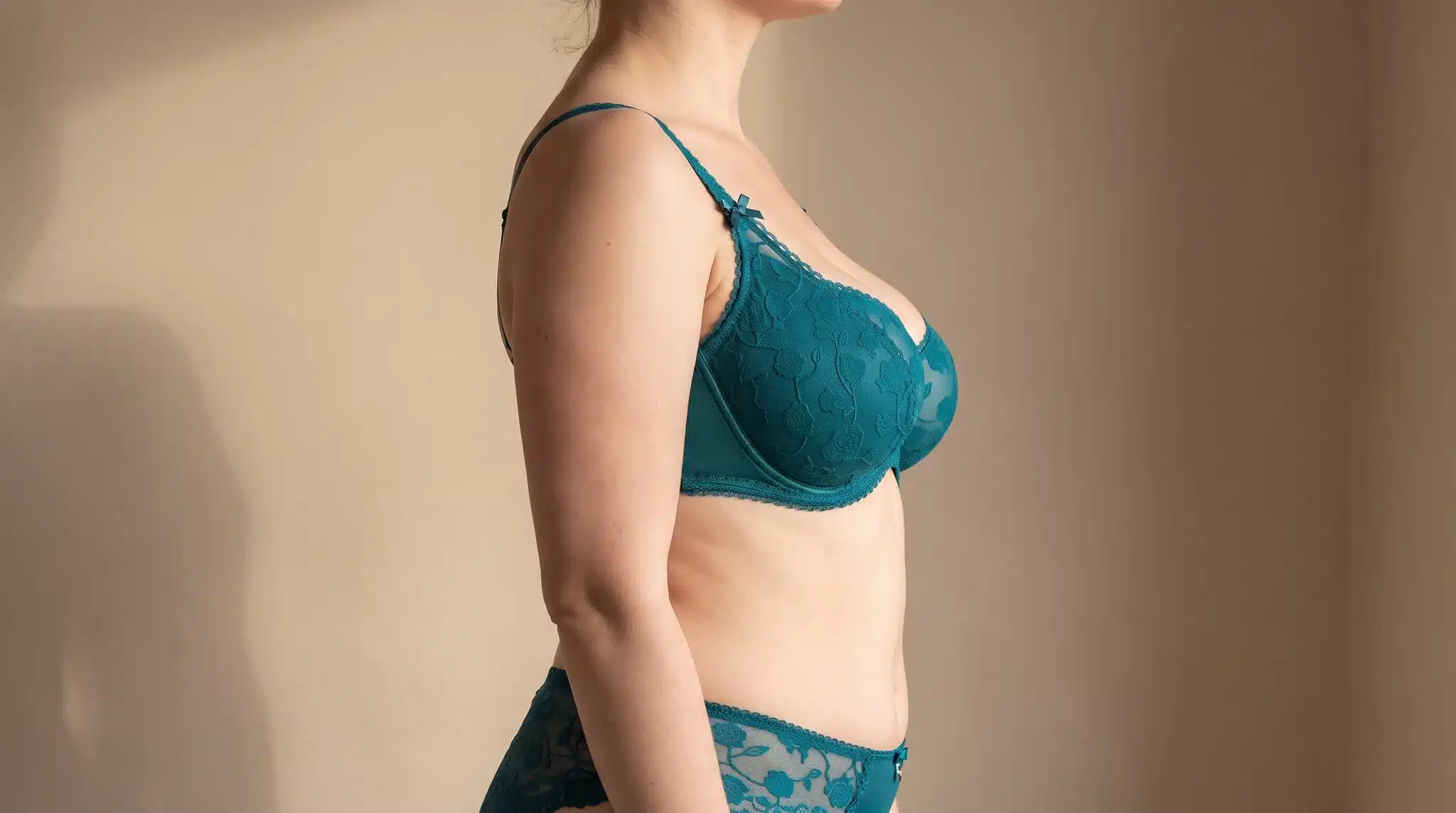

Breast asymmetry is a common phenomenon that affects many women. It refers to the unequal development of the breasts, which can result in differing sizes and shapes. The underlying causes are varied and include genetic factors and hormonal changes. A pronounced asymmetry often brings psychological challenges that can affect self-esteem and sexuality.
Prevalence and forms of breast asymmetry
Breast asymmetry is a common phenomenon that affects many women. It presents in different forms and degrees, which are examined more closely here.
Volume asymmetry
Volume asymmetry refers to significant differences in the size of the breasts. One breast may appear noticeably larger or smaller than the other. This form of asymmetry is widespread and does not necessarily cause health problems, although it can affect self-confidence.
Shape asymmetry
Shape asymmetry relates to varying shapes of the breasts or nipples. These differences can range from subtle to conspicuous.
Inverted nipples
A common example of shape asymmetry is inverted nipples. In this case, one or both nipples do not project outward but are instead drawn inward into the breast. This can occur in many women and influences the aesthetic appearance.
Causes of breast asymmetry
A range of factors contribute to the development of breast asymmetry. These causes may be genetic, anatomical or hormonal in nature.
Genetic predispositions
Genetic factors often play a decisive role in unequal breast development. When cases of breast asymmetry already exist within the family, there is a higher likelihood of being affected oneself. Genetic influences can affect the size and shape of the breasts and may also predispose to other breast anomalies.
Developmental disorders and malformations
Congenital malformations are likewise common causes of breast asymmetry. Such developmental disorders can lead to incomplete breast tissue or the absence of a chest muscle. One example is Poland syndrome, which can give rise to significant differences between the breasts.
Effects of hormonal changes
Hormones play an essential role in breast development. Changes that occur during puberty, pregnancy or menopause can produce a differing growth response in the mammary glands. Hormonal imbalances can affect the symmetry of the breasts and lead to noticeable differences.
Psychological effects of asymmetry
The psychological consequences of breast asymmetry are varied and can significantly affect the lives of the women concerned. Self-esteem is often impaired, which can lead to emotional strain.
Effects on self-esteem
A common experience among women with asymmetrical breasts is reduced self-esteem. This can manifest in various areas of life:
- Negative body perception
- Social insecurity
- Sensitivity to the gaze of others
These feelings can lead to constant comparison with others and considerably diminish self-confidence.
Influence on sexuality
Unequal breast development can also affect the sexuality of those concerned. Women frequently report:
- Fear of intimacy
- Insecurity regarding their physical appearance
- Reduced sexual desire
These psychological aspects can place considerable strain on the relationships of the women affected.
Medical and aesthetic treatment options
There are various approaches to treating breast asymmetry, encompassing both medical and aesthetic aspects. These methods aim to harmonise the shape and size of the breasts.
Diagnostic procedures
An accurate diagnosis is essential for choosing a suitable therapy. Methods such as mammography and ultrasound examination play an important role in ensuring that there are no underlying conditions that could affect treatment.
Surgical corrections
For women who experience a pronounced asymmetry, surgical solutions are often the most effective option.
Breast augmentation with implants or autologous fat
With this method, the smaller breast is enlarged using implants or autologous fat (the patient’s own fat), creating a more even silhouette.
Breast reduction and breast lift
When one breast is significantly larger, a breast reduction can be performed. A lift may also be carried out to improve the shape.
Plastic and aesthetic surgery
In many cases, breast surgery is performed in a plastic surgery centre. The choice of procedure depends on the individual situation of the patient and should be made in close consultation with experienced surgeons.
Procedure and preparation for surgery
The planning and course of a procedure to correct breast asymmetry are key to achieving the best possible result. A careful approach supports the safety and satisfaction of the patient.
Initial consultation and planning
During the initial consultation, the patient is thoroughly informed about the procedure. The following points are addressed:
- Discussion of personal concerns and wishes
- Explanation of the various treatment options
- Discussion of possible risks and complications
An individual treatment plan is drawn up, based on the patient’s specific needs.
Preparation for surgery
Various preparations are necessary before the procedure:
- Medical examinations such as blood tests or imaging must be carried out
- Instructions regarding the intake of medication and food before the operation
These steps are important to ensure that the procedure runs smoothly.
Risks and aftercare in breast surgery
Breast surgery carries both risks and the need for careful aftercare. Thorough information and a responsible approach to postoperative aspects are essential.
Possible complications and risks
As with any surgical intervention, complications can occur. The most common risks include:
- Infections, which may require intensive follow-up treatment
- Secondary bleeding, which may under certain circumstances necessitate a further procedure
- Aesthetic complications such as scarring or uneven results
- Nerve injury, which may potentially lead to altered sensation
Follow-up treatment and the healing process
Aftercare is crucial to the healing process. Important aspects include:
- The use of special support bras to aid healing
- Regular check-ups by the treating physician to monitor progress
- Pain relief through appropriate medication
- Avoidance of physical exertion in the first weeks after the procedure
A comprehensive healing process helps to reduce the risk of complications and to optimise the results.
Costs and insurance questions
The costs of treatments for breast asymmetry can vary considerably and depend on a range of factors. These relate both to the procedures performed and to the individual circumstances of the patient.
Health insurance coverage and individual costs
As a rule, health insurers cover the costs of corrective procedures only in certain cases. Typical cost factors include:
- The type and extent of the procedure
- Required follow-up treatments
- Physician and hospital fees
Individualised cost estimates should be discussed during the initial consultation with the plastic surgeon.
Conditions for cost coverage
Health insurers may offer cost coverage under certain conditions. These include:
- Evidence of substantial psychological strain
- Medical relevance of the asymmetry
- Previous conservative treatment methods that were unsuccessful
An important prerequisite is comprehensive documentation of the individual symptoms and their impact on the life of the person affected.
Important considerations before deciding on surgery
Before any potential surgery, it is essential to weigh up various factors carefully. These considerations can be decisive for well-being and satisfaction with the treatment outcome.
Factors that inform the decision
Different aspects play a role in the decision-making process:
- Medical history and current state of health
- Expectations regarding the results of the surgery
- Emotional and psychological aspects
- Energy and motivation for the healing process
Long-term expectations and goals
Setting long-term goals is essential for a satisfying quality of life after the procedure. The following points should be considered:
- How will one’s self-image change?
- Will the desired aesthetic outcome be achieved?
- What effect will the surgery have on personal day-to-day life?
- Which risks and complications are, where applicable, acceptable?
Arrange a consultation at BONITAS to discuss the individual options for correcting breast asymmetry and to find the best approach for your personal goals together.
Medically reviewed and written by:
Alejandro Martí – Specialist in Plastic and Aesthetic Surgery 🇩🇪 🇪🇸
Last reviewed: April 2026
Literature & Scientific Sources
- Patlazhan G et al. “Our 10 Years’ Experience in Breast Asymmetry Correction.” Aesthetic Plastic Surgery. 2020. PubMed PMID 32157377
- Wei H et al. “Correction of breast asymmetry by autologous fat grafting with the aid of 3D laser-scanning technology.” Asian Journal of Surgery. 2023. PubMed PMID 35753912
- Pu LLQ. “A Simple and Effective Intraoperative Technique for Correction of Severe Congenital Breast Asymmetry.” Annals of Plastic Surgery. 2023. PubMed PMID 36921337
- Applebaum A et al. “Understanding breast asymmetry and its relation to AIS.” Spine Deformity. 2020. PubMed PMID 32065382