
Lipedema of the Upper Arms
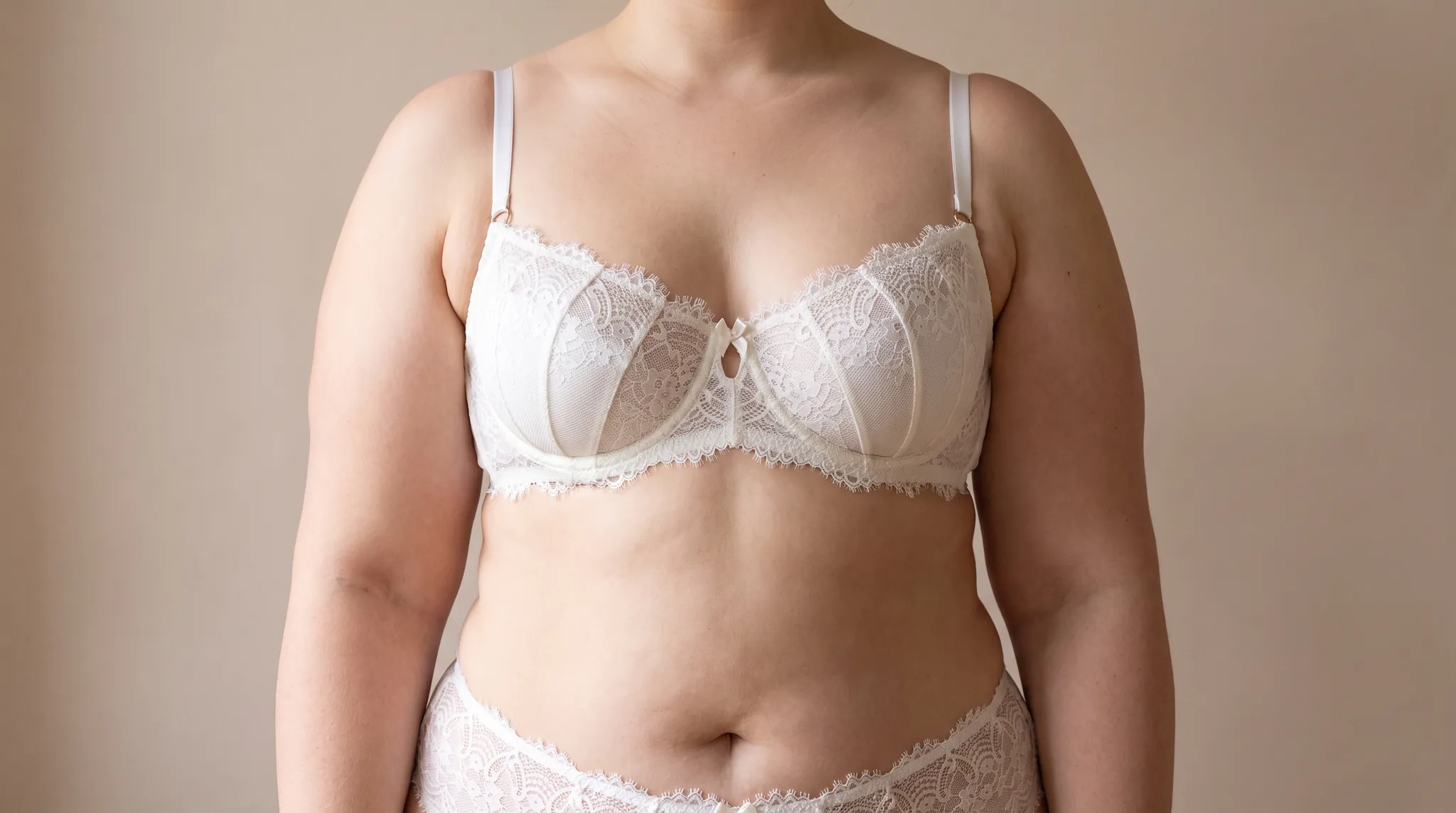
At a glance: lipedema on the upper arms is a fat distribution disorder that mainly affects women and leads to a disproportionate accumulation of fat, which can be accompanied by pain and swelling.
- Main symptoms: painful swelling of the upper arms, increased sensitivity of the skin to pressure, a greater tendency to bruise, difficulty lifting objects
- Four stages: I slight thickening without a visible change of shape, II noticeable thickening with pain, III larger fat lobes, IV lipo-lymphoedema with fluid retention
- Causes: an accumulation of cases within the family and oestrogen fluctuations during puberty, pregnancy or the menopause
- Not the same as excess weight: lipedema can also occur in slim women
- Treatment: conservatively, compression therapy, manual lymphatic drainage and gentle exercise such as swimming or cycling; in advanced lipedema, liposuction
Lipedema of the upper arms is a fat distribution disorder that predominantly affects women. It leads to a disproportionate accumulation of fat, which can be accompanied by pain and swelling. The exact causes are varied and involve genetic and hormonal factors. Early recognition and appropriate treatment are important in order to relieve the symptoms and improve quality of life.
Causes of lipedema of the upper arms
The causes of lipedema of the upper arms are varied and often complex. Research shows that both genetic and hormonal factors play a significant role. In addition, there are further risk factors that can promote the development of this condition.
Genetic factors
There is strong evidence that lipedema runs in families. This genetic predisposition means that women in certain families have an increased risk of developing lipedema. Studies have shown that many affected individuals have relatives with similar problems regarding fat distribution.
Hormonal influences
Hormonal changes in the body are decisive for the development of lipedema. In particular, fluctuations in estrogen that occur during various life stages such as puberty, pregnancy, or menopause can promote the development of this fat distribution disorder.
Estrogen and fat distribution
Estrogen has a direct influence on fat distribution in the body. A rise in estrogen levels can lead to the accumulation of fatty tissue on the upper arms and legs. Increased attentiveness is therefore advisable for women who experience hormonal changes.
Further risk factors
In addition to genetic and hormonal factors, other elements may also contribute to the development of lipedema. Excess weight is often mistakenly regarded as the main cause; however, lipedema can also occur in slim women. Further risk factors include:
- Family history of lipedema
- Previous surgery or injuries to the affected limbs
- Trauma that can lead to an irregularity in fat distribution
- Certain chronic conditions that impair blood flow and lymphatic circulation
Symptoms and complaints
The symptoms and complaints associated with lipedema of the upper arms can be very distressing and vary from person to person. It is important to recognize and understand them in order to seek appropriate support and treatment.
Pain and swelling
A characteristic symptom of lipedema is painful swelling of the upper arms. This swelling results from the accumulation of fatty tissue and fluid in the tissue. The pain may be constant or episodic and is often a result of pressure on the affected tissue.
Pressure sensitivity of the skin
The skin at the affected areas often shows increased sensitivity to pressure. Even light touch or pressure can cause unpleasant pain.
Tendency to bruise
People affected by lipedema often have an increased tendency to bruise. Even minor knocks can lead to visible bruises that take longer to heal.
Restricted movement
Many women with lipedema report restricted movement in the upper arms. The swelling and pain often make activities such as lifting objects or carrying out everyday movements difficult.
Stages of lipedema
The stages of lipedema are crucial for understanding the condition and its progression. Each stage has specific characteristics that reflect the severity of the symptoms. Early recognition of the stages can lead to better treatment and symptomatic relief.
Stage I: Early signs
In the first stage of lipedema, the symptoms are still mild. Affected individuals notice slight thickening in the fatty tissue, which does not yet cause any visible differences in the shape of the upper arms.
Stage II: Advanced symptoms
In the second stage, the symptoms progress further and become more apparent. The thickening of the subcutaneous fatty tissue becomes noticeable and pain develops.
Stage III: Increase in fatty tissue
In the third stage, the fatty tissue increases considerably. Larger fat lobes form that can significantly alter the appearance of the upper arms.
Stage IV: Lipo-lymphedema
In the fourth stage, the lipedema is complicated by additional fluid retention, which is referred to as lipo-lymphedema. The symptoms worsen considerably.
Diagnostic procedures
Medical examination
During a medical examination, the specialist will take the patient’s medical history and assess the symptoms. A physical examination of the affected upper arms helps to establish the diagnosis.
Ruling out other conditions
It is important to rule out other conditions such as lymphedema or obesity in order to establish an accurate diagnosis.
Conservative treatment options
Compression therapy
Compression therapy is one of the mainstays of conservative treatment for lipedema. It helps to reduce swelling and promote lymphatic flow.
Manual lymphatic drainage
Manual lymphatic drainage is a special form of massage that aims to promote lymphatic circulation and reduce swelling.
Exercise and sport
Regular exercise plays a decisive role in the treatment of lipedema. Gentle forms of exercise such as swimming or cycling are particularly recommended.
Surgical treatment: liposuction
The liposuction procedure
Liposuction is an important surgical treatment method for advanced lipedema. This procedure allows the targeted removal of excess fatty tissue.
What to expect from treatment
A personal consultation provides the opportunity to discuss the individual situation, the course of treatment, and realistic expectations in detail. Every treatment plan is tailored to the individual findings and personal circumstances.
Psychological support for those affected
Psychological support is essential for many people affected by lipedema, as the condition brings both physical and emotional burdens.
Emotional burden and support
Therapy and support groups can help to better manage the emotional challenges and to find support.
The role of support groups
Support groups offer a valuable platform for exchange with others affected and help to create a sense of community.
Effects on everyday life
Challenges in daily life
Restricted movement and pain in everyday life can place a considerable burden on those affected.
Adaptations and aids
Compression garments and ergonomic aids can help to relieve the symptoms and improve quality of life.
Prevention and lifestyle changes
Healthy nutrition
A balanced diet with fresh, unprocessed foods can help to ease the symptoms and slow the progression of lipedema.
Regular exercise
Endurance training and gentle forms of exercise such as yoga or Pilates are particularly effective for promoting well-being and strengthening the muscles.
Find out about your treatment options at an early stage and learn how you can effectively relieve the symptoms of lipedema of the upper arms.
Medically reviewed and written by:
Alejandro Martí – Specialist in Plastic and Aesthetic Surgery 🇩🇪 🇪🇸
Last reviewed: April 2026
Literature & Scientific Sources
- Kruppa P et al. „Lipedema – Pathogenesis, Diagnosis, and Treatment Options.” Deutsches Ärzteblatt International. 2020. PubMed PMID 32762835
- van la Parra RFD, Deconinck C. „Lipedema: What we don’t know.” Journal of Plastic, Reconstructive & Aesthetic Surgery. 2023. PubMed PMID 37390539
- Lundanes J et al. „Effect of a low-carbohydrate diet on pain and quality of life in female patients with lipedema: a randomized controlled trial.” Obesity. 2024. PubMed PMID 38627016
- Mortada H, Alhithlool AW. „Lipedema: Clinical Features, Diagnosis, and Management.” Archives of Plastic Surgery. 2025. PubMed PMID 40386000
- Buso G et al. „Lipedema: A Call to Action!.” Obesity (Silver Spring). 2019. PubMed PMID 31544340
- Forner-Cordero I et al. „Update in the management of lipedema.” International Angiology. 2021. PubMed PMID 33870676