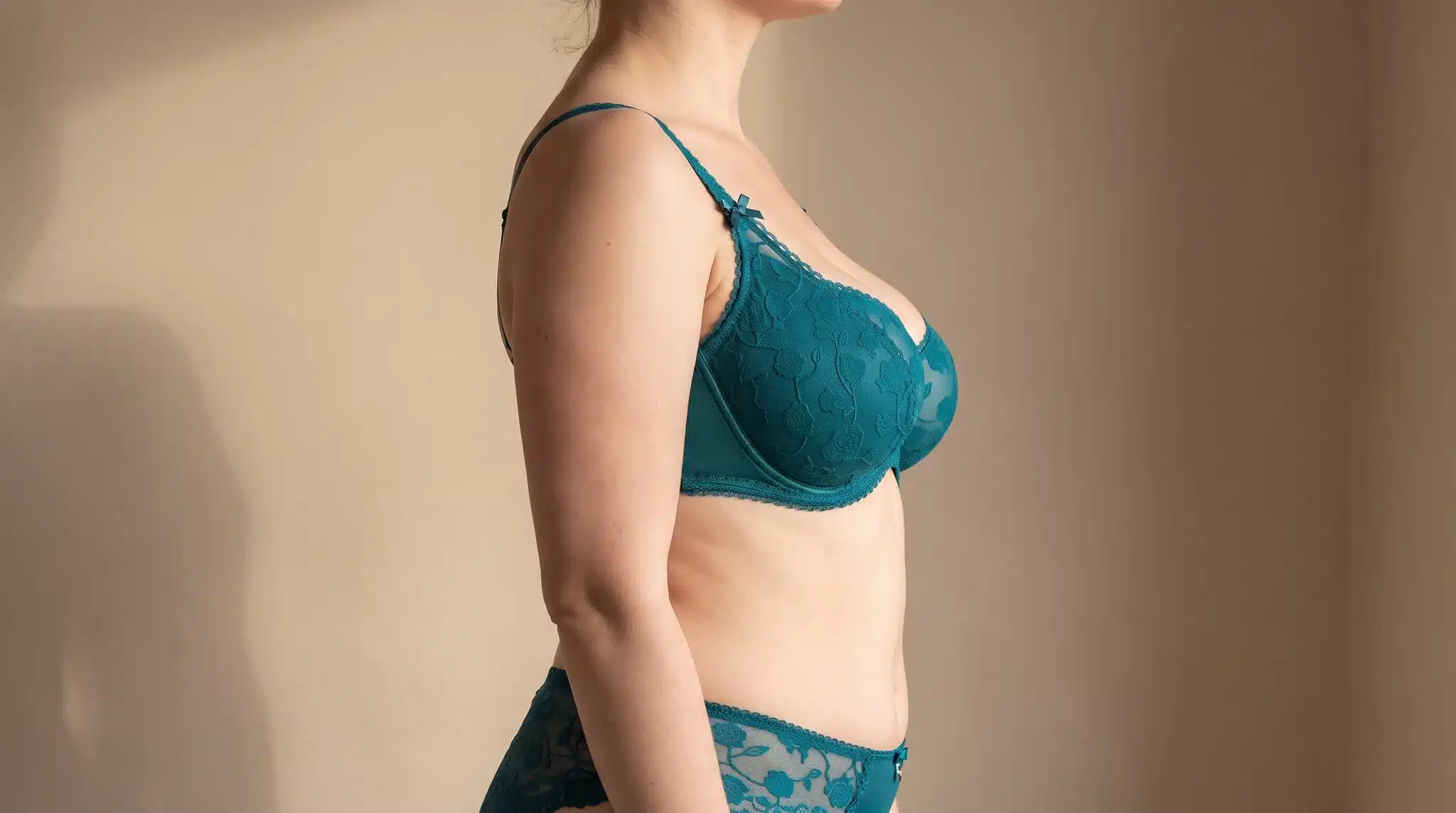
At a glance: A rectus diastasis is the separation of the straight abdominal muscles along the linea alba, so that the abdominal wall loses stability. From a width of about 2 cm onwards it is considered a clinically relevant rectus diastasis.
- When surgery can be an option: wider than 3 cm with no improvement after 6-12 months of consistent training, functional limitations or an accompanying abdominal wall hernia
- Requirements: completed family planning and a stable weight, since a further pregnancy can undo the correction
- Procedure: general anaesthesia, approx. 2-4 hours, curved incision in the lower abdomen, fascia plication of the abdominal muscles, drains for 1-3 days
- Recovery: 1-2 nights inpatient, 6 weeks of compression garment, normal physical activity as a rule from week 8, complete scar maturation after 3-6 months
- Time off work: 2-4 weeks for office work, 4-6 weeks for physical work
\n
A diastasis recti repair can be a sensible option when conservative measures such as targeted exercise are not enough to restore the function of the abdominal wall. But when is surgery genuinely necessary — and when is physiotherapy sufficient? As a specialist in plastic and aesthetic surgery, I advise patients with diastasis recti at my practice BONITAS, and in this article I would like to offer some orientation: from diagnosis through conservative approaches to surgical correction.
\n\n
What is diastasis recti?
\n\n
Diastasis recti is the separation of the straight abdominal muscles (rectus abdominis muscle) along the so-called linea alba — the connective-tissue band running down the midline of the abdomen. Normally, the two muscle bands lie close together. In diastasis recti, the gap between them widens, causing the abdominal wall to lose stability.
\n\n
Typical signs of diastasis recti:
\n\n
- \n
- Visible bulging in the midline of the abdomen — especially when sitting up or tensing the muscles
- Palpable gap between the straight abdominal muscles (one to several finger-widths)
- Core instability — difficulty with everyday movements
- Back pain — due to insufficient stabilisation of the spine
- Pelvic floor weakness — often present as well, particularly after pregnancy
- Change in appearance — an abdomen that remains protruding despite a normal body weight
\n
\n
\n
\n
\n
\n
\n\n
Why does diastasis recti develop?
\n\n
Pregnancy — the most common cause
\n\n
During pregnancy, the abdominal wall has to make room for the growing uterus. Hormonal changes (in particular relaxin) loosen the connective tissue, and the straight abdominal muscles move apart. In most women, the diastasis recedes during the first months after delivery. In some, however, it persists — particularly after:
\n\n
- \n
- Multiple pregnancies
- Multiple-birth pregnancies (twins, triplets)
- Pregnancies with a large or heavy baby
- Weak connective tissue (genetically determined)
- A short interval between pregnancies
\n
\n
\n
\n
\n
\n\n
Other causes
\n\n
- \n
- Significant excess weight: Sustained pressure on the abdominal wall
- Incorrect loading: Heavy lifting with poor technique, certain abdominal exercises (sit-ups, crunches)
- Connective-tissue weakness: An inherited predisposition
- Major weight fluctuations: Repeated marked weight gain and loss
\n
\n
\n
\n
\n\n
Diagnosis: How is diastasis recti identified?
\n\n
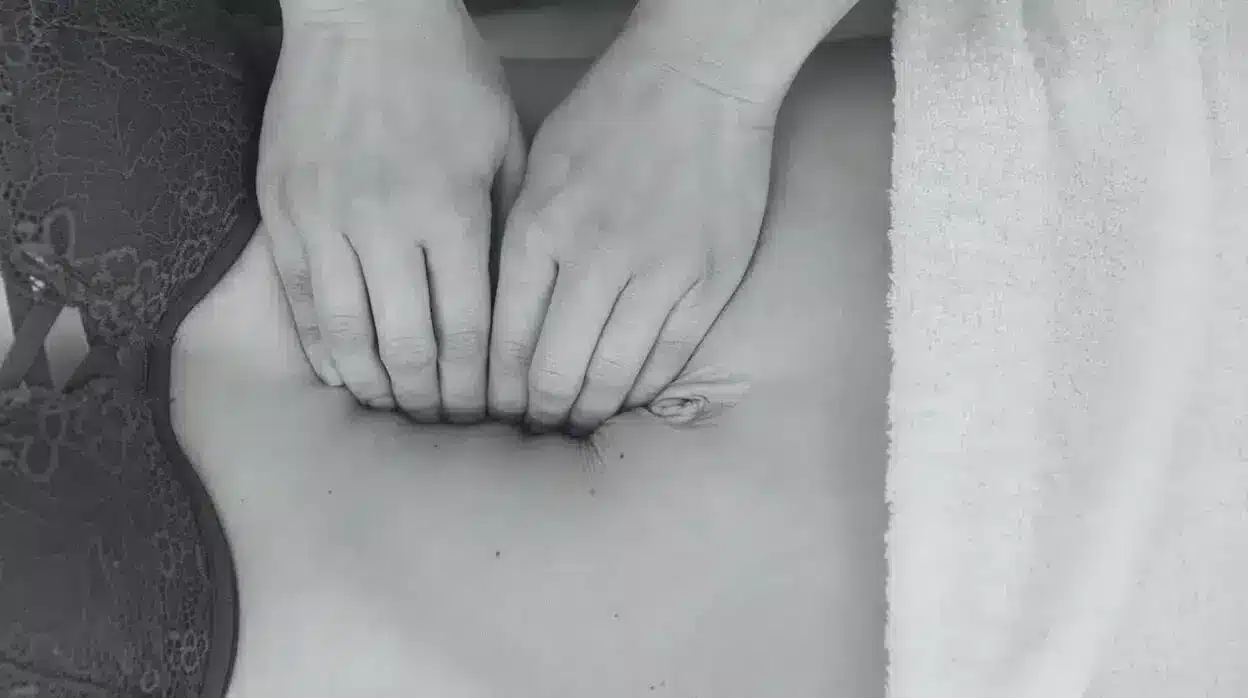
The diagnosis is usually made through a physical examination. The patient lies on her back and slightly raises her head — the examiner palpates the gap in the midline of the abdomen.
\n\n
The following are assessed:
\n\n
- \n
- Width of the diastasis (in finger-widths or centimetres)
- Depth — how far the fingers sink into the gap
- Location — above, below, or at the level of the navel
- Tension of the linea alba — whether a degree of stability is still present
\n
\n
\n
\n
\n\n
From a width of about 2 cm (approx. 2 finger-widths), the condition is described as a clinically relevant diastasis recti. In unclear cases, an ultrasound examination can provide precise information.
\n\n
When is exercise enough — and when does diastasis recti surgery make sense?
\n\n
Conservative treatment: Targeted exercise
\n\n
For mild to moderate diastasis recti — especially in the first 6–12 months after delivery — targeted exercise is the first step. Specialised physiotherapy can strengthen the deep musculature and improve functional stability.
\n\n
Important: Not every abdominal exercise is suitable in diastasis recti. Classic sit-ups or crunches can even worsen the diastasis, because they increase pressure on the midline of the abdomen.
\n\n
Suitable approaches include:
\n\n
- \n
- Deep core training: Activation of the transversus abdominis muscle
- Pelvic floor training: Often combined with core stabilisation
- Breathing exercises: Diaphragmatic work to stabilise intra-abdominal pressure
- Postnatal recovery courses: Under expert guidance
\n
\n
\n
\n
\n\n
When exercise is not enough
\n\n
A surgical correction becomes relevant when consistent exercise over 6–12 months does not bring about sufficient improvement. Typical criteria for diastasis recti surgery:
\n\n
- \n
- Diastasis wider than 3 cm with no tendency to improve
- Functional limitations: Persistent back pain, instability, difficulty lifting
- Accompanying abdominal wall hernia: Protrusion of tissue through the gap (umbilical hernia, epigastric hernia)
- No further wish to have children: A renewed pregnancy can reverse the correction
- Stable weight: Major weight fluctuations after surgery affect the result
- Aesthetic and psychological burden: An abdomen that remains protruding despite every effort
\n
\n
\n
\n
\n
\n
\n\n
Diastasis recti surgery: Procedure and techniques
\n\n
Diastasis recti correction with an abdominoplasty (tummy tuck)
\n\n
In most cases, diastasis recti correction is combined with an abdominoplasty — particularly in patients after pregnancy or major weight loss, in whom excess skin is also present. This combination has proven effective because:
\n\n
- \n
- The muscle suture (plication of the rectus sheath) is performed through the same access
- Excess skin and subcutaneous fatty tissue are removed at the same time
- The scar runs within the bikini area and is concealed by underwear
- The navel is repositioned where necessary
\n
\n
\n
\n
\n\n
This combined procedure is often carried out as part of a Mommy Makeover — an individual treatment concept that combines several procedures after pregnancy and breastfeeding.
\n\n
Course of the operation
\n\n
- \n
- Anaesthesia: General anaesthesia
- Duration: Approx. 2–4 hours (depending on the extent)
- Incision: In the lower abdomen, just above the pubic area — running in a curve from hip to hip
- Muscle suture: The straight abdominal muscles are brought back together in the midline and sutured (fascial plication)
- Skin removal: Excess skin is removed and the remaining skin is tightened
- Navel reconstruction: The navel is sutured into its new position
- Drains: Usually placed for 1–3 days
\n
\n
\n
\n
\n
\n
\n
\n\n
Isolated diastasis recti correction
\n\n
In rare cases — when no excess skin is present — diastasis recti can also be corrected in isolation. This is done either through a smaller incision or by minimally invasive means. Whether this option is feasible depends on the individual findings.
\n\n
Recovery after diastasis recti surgery
\n\n
The recovery phase after a diastasis recti correction — especially in combination with an abdominoplasty — calls for patience and discipline:
\n\n
- \n
- First few days: Inpatient stay (1–2 nights recommended), a bent posture to relieve tension on the suture
- Weeks 1–2: Light movement (short walks), wearing a compression garment, no lifting over 2 kg
- Weeks 3–4: Gradually straightening up, light everyday activities, lifting up to 5 kg
- Weeks 5–6: Increasing activity, light exercise after consultation
- From week 8: Usually a return to normal activity
- 3–6 months: Complete scar maturation and final result
\n
\n
\n
\n
\n
\n
\n\n
Compression garment: A special compression garment is usually recommended for 6 weeks. It stabilises the abdominal wall, reduces swelling and supports the muscle suture.
\n\n
Time off work: Depending on your occupation, 2–4 weeks (office work) or 4–6 weeks (physical work).
\n\n
Risks and realistic expectations
\n\n
As with any surgical procedure, diastasis recti surgery also carries risks, which are explained in detail during the personal consultation:
\n\n
- \n
- Post-operative bleeding and haematoma
- Wound healing disturbance
- Seroma formation (a collection of fluid)
- Numbness in the lower abdomen (usually temporary)
- Scar formation
- Asymmetry
\n
\n
\n
\n
\n
\n
\n\n
A realistic conversation about expectations and possible limitations is part of every consultation at BONITAS. My aim is for patients to enter surgery well informed and with realistic expectations.
\n\n
Consultation at BONITAS
\n\n
The decision to undergo diastasis recti surgery is an individual one — and should be weighed up carefully. Not every diastasis needs to be operated on, and not every moment is the right one. In a personal consultation at BONITAS, I take the time to assess your findings, discuss the options and work with you to find the best approach.
\n\n
If you have questions about your diastasis recti or would like a consultation, I look forward to hearing from you.
\n\n
Frequently asked questions: Diastasis recti surgery
\n\n
How can I tell whether I have diastasis recti?
\n
Lie on your back, bend your knees with your feet flat, and slightly raise your head. Palpate along the midline of the abdomen with your fingers — above, at the level of, and below the navel. If you feel a soft gap into which your fingers sink, diastasis recti may be present. For an accurate diagnosis and assessment, you should consult a specialist.
\n\n
Does statutory health insurance cover diastasis recti surgery?
\n
For a purely aesthetic indication, this is a self-pay service. In the case of functional complaints — particularly with an accompanying abdominal wall hernia — health insurance may cover the costs in individual cases. I am happy to advise you on your individual options.
\n\n
Can I still have children after surgery?
\n
In principle, pregnancy after surgery is possible. However, a renewed pregnancy can cause the diastasis recti to recur and undo the result of the operation. For this reason, it is recommended that family planning be completed before the procedure.
\n\n
How long does the result last?
\n
With a stable weight and completed family planning, the result of a diastasis recti correction is usually long-lasting. Regular training of the core musculature after full recovery supports long-term stability.
\n\n
Can I close diastasis recti through exercise alone?
\n
For mild diastases (under 2–3 cm), targeted exercise can improve function and stability and reduce the gap. For larger diastases, or when consistent exercise over 6–12 months does not bring sufficient improvement, surgical correction is the more effective option. Important: classic sit-ups can worsen the diastasis — have a specialised physiotherapist guide you.
\n
Medically reviewed and written by:
Alejandro Martí – Specialist in Plastic and Aesthetic Surgery 🇩🇪 🇪🇸
Last reviewed: April 2026
Literature & Scientific Sources
- Hammond DC, Chandler AR. „Abdominoplasty in the Overweight and Obese Population: Outcomes and Patient Satisfaction.” Plastic and Reconstructive Surgery. 2019. PubMed PMID 31568289
- Nguyen AT, Bajaj K. „Outcomes and Indications in Revision Abdominoplasty: A Systematic Review.” Annals of Plastic Surgery. 2025. PubMed PMID 41071861
- Akram J, Matzen SH. „Rectus abdominis diastasis.” Journal of Plastic Surgery and Hand Surgery. 2014. PubMed PMID 24256310
- Rosenfield LK, Davis CR. „Evidence-Based Abdominoplasty Review With Body Contouring Algorithm.” Aesthetic Surgery Journal. 2019. PubMed PMID 30649214
- Hurvitz KA et al. „Evidence-based medicine: Abdominoplasty.” Plastic and Reconstructive Surgery. 2014. PubMed PMID 24776552
- Jessen ML et al. „Surgical techniques for repair of abdominal rectus diastasis: a scoping review.” Hernia. 2021. PubMed PMID 33502282