
Lipedema of the Thigh
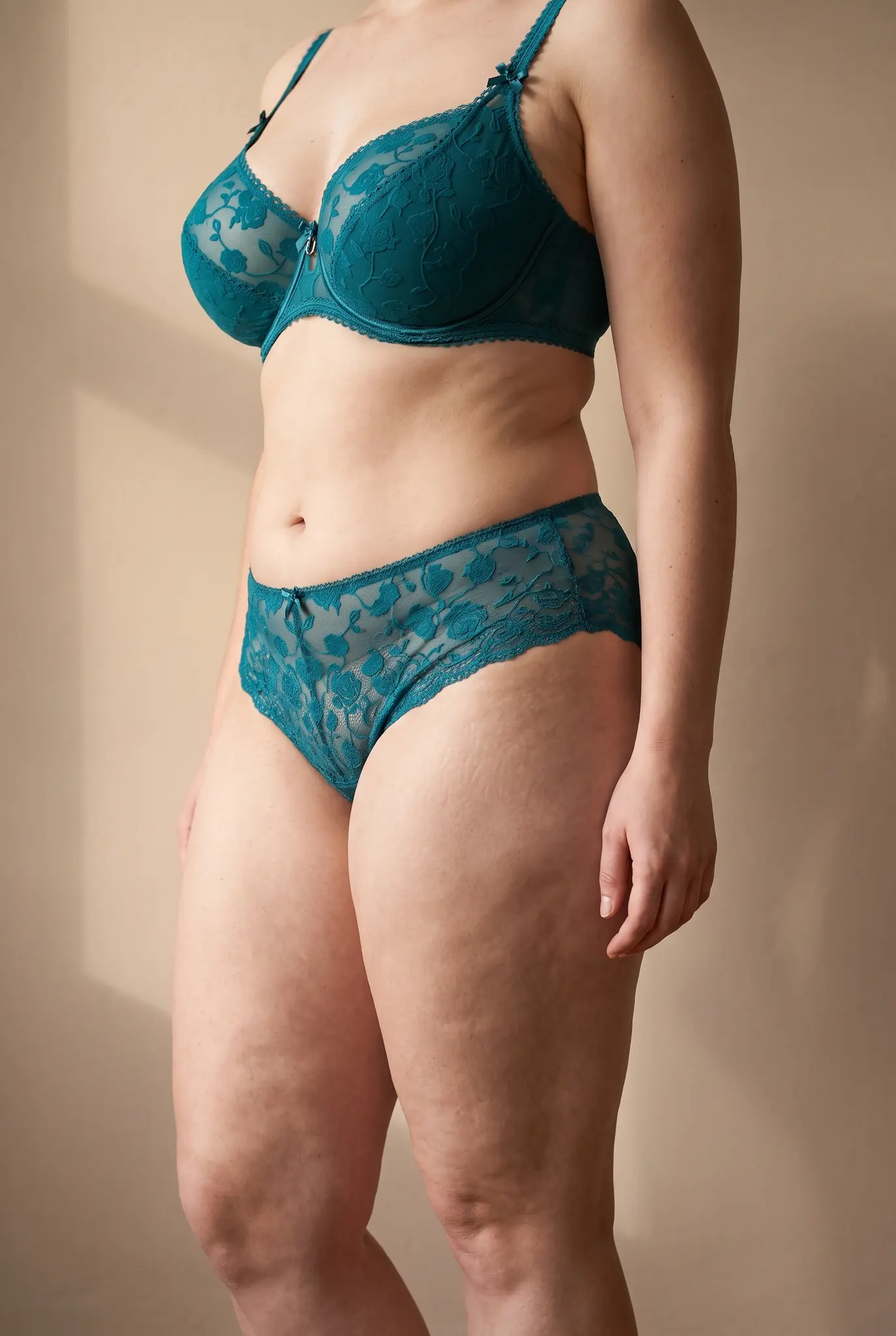
At a glance: Lipedema of the thigh is a disproportionate fat distribution disorder with symmetrical fat accumulations on the legs, thighs and buttocks, which is painful and does not improve with diets or sport.
- Four stages: 1 mild swelling with soft skin, 2 nodular tissue formation, pain can occur, 3 visible deformities and restricted movement, 4 intense pain, often with lymphedema
- Risk factors: family history, hormonal changes and rapid weight gain; often during puberty, pregnancy or the menopause
- Conservative therapy: compression stockings, physiotherapy, nutritional counselling and complex decongestive therapy with manual lymphatic drainage
- Exercise: at least 150 minutes of moderate exercise per week, such as swimming, cycling, yoga or Pilates
- Surgical option: liposuction, also water-jet assisted, when conservative measures are not enough
Thigh lipedema is a condition that primarily affects women. It is a disproportionate fat distribution disorder that is frequently accompanied by pain and discomfort. The symptoms can occur at different stages and differ from other fat accumulations, such as cellulite. An early diagnosis is essential for treatment.
What is lipedema of the thigh?
Lipedema is a common but often misunderstood condition that primarily affects women. It is characterised by a disproportionate distribution of fat in certain regions of the body, frequently on the thighs and legs.
Definition and differentiation
Lipedema is defined as an abnormal accumulation of fatty tissue that can be painful and often leads to swelling. Unlike ordinary excess weight, lipedema is not merely a cosmetic problem. It is a condition that can significantly affect those who have it. The main features are:
- Symmetrical fat accumulations on the legs, thighs and buttocks
- Pain and pressure sensitivity in the affected areas
- No improvement through diet or exercise
Causes and risk factors
The exact causes of lipedema have not yet been fully clarified. However, it is thought that hormonal factors play a significant role. Lipedema occurs more frequently during certain phases of life such as puberty, during pregnancy or during menopause. The risk factors include:
- Family history of lipedema
- Hormonal changes
- Rapid weight gain
Lipedema or obesity?
It is important to distinguish lipedema from obesity. While obesity is characterised by a general excess of body fat, lipedema is concentrated in specific regions of the body. Obesity can usually be addressed through a combination of diet and exercise, whereas lipedema requires specific therapeutic approaches. The differences include:
- Fat distribution: Lipedema is asymmetrical and predominantly affects the thighs and legs.
- Response to diet: Lipedema generally does not improve with weight reduction.
- Pain: Lipedema usually causes pain, whereas obesity is often painless.
Symptoms and stages of lipedema
The symptoms of lipedema vary depending on the stage and can have a considerable impact on the quality of life of those affected. It is important to recognise and understand the signs at an early stage.
Recognising the symptoms
The most common symptoms of lipedema are:
- Swelling in the thighs, calves and buttock area
- Painful sensitivity to touch
- Changes in skin texture, often with a rubbery consistency
- Disproportionate growth of fat, often accompanied by discomfort or pain
Lipedema stages 1 to 4
Lipedema is divided into four stages, with each stage showing specific characteristics:
- Lipedema stage 1: Mild swelling and a distinct layer of fat. The skin remains soft and supple.
- Lipedema stage 2: Marked swelling with nodular fatty tissue formation; pain may occur.
- Lipedema stage 3: Visible deformities, more pronounced pain and a notable restriction of movement.
- Stage 4: Advanced symptoms with intense pain and severe restriction of movement. Often also combined with lymphedema.
Diagnosis and detection
Diagnosing lipedema is a crucial step in beginning appropriate treatment. The process involves several steps aimed at accurately identifying the condition.
Diagnosing lipedema
Lipedema is usually diagnosed by a specialist in plastic and aesthetic surgery, who analyses the patient’s symptoms and medical history. A precise diagnosis requires the following measures:
- Visual examination of the affected parts of the body
- Assessment of the symptoms, e.g. pain, weight and fat distribution
- Enquiry into family-related conditions, as lipedema is often genetically determined
Lipedema self-test
A simple self-test can help to recognise the symptoms of lipedema. Women can look out for the following indicators:
- Disproportionate fat accumulations on the thighs and hips compared to the upper body
- Sensitivity or pain when pressure is applied to the affected areas
- No positive change in the fatty tissue through diet or exercise
A physician should be consulted
Consulting a physician at an early stage is essential in order to establish an accurate diagnosis and start suitable treatment. The physician should carry out a comprehensive physical examination, discuss the medical history and, where appropriate, take photographs to document the skin changes.
Treatment options
Treatment of lipedema aims to relieve the symptoms and improve the quality of life of those affected. There are both conservative and surgical treatment options, which can be selected according to the severity of the condition and individual needs.
Conservative treatment
Conservative therapy comprises several approaches aimed at slowing the progression of lipedema and relieving the symptoms. The following methods are particularly relevant here:
- Compression therapy: Wearing compression stockings helps to reduce swelling and promote venous return.
- Physiotherapy: Regular physical applications and specific exercises can improve circulation and relieve pain.
- Nutritional counselling: A balanced diet can help to manage weight and support metabolic processes.
Surgical procedures: liposuction
If conservative measures are not sufficient, surgical treatment may be considered. Liposuction has proven to be an effective method for reducing fat deposits in patients with lipedema.
Water-jet-assisted liposuction
A special form of liposuction is the water-jet-assisted technique. This method uses a jet of water to gently release fat cells while sparing the surrounding tissue. This can lead to a faster recovery and fewer postoperative complaints.
Complex physical decongestive therapy (CDT)
Complex physical decongestive therapy is a further approach to treating lipedema. This treatment concept combines several forms of therapy:
- Manual lymphatic drainage: This special massage technique promotes lymphatic outflow and reduces swelling.
- Compression techniques: Special bandaging and stocking provision increase the pressure on the affected areas.
- Movement therapy: Targeted movement exercises support the therapy and promote mobility.
Lifestyle and self-management
A healthy lifestyle and effective self-management are essential for people with lipedema. These aspects help to relieve symptoms and improve overall well-being.
Healthy nutrition with lipedema
A balanced diet plays a central role in managing lipedema. It is important to consume anti-inflammatory foods in order to reduce discomfort. Recommended choices include:
- Fresh fruit and vegetables, especially leafy green vegetables, berries and citrus fruits
- Wholegrain products to stabilise blood sugar levels
- Lean proteins such as chicken, fish and plant-based protein sources such as legumes
- Healthy fats from avocados, nuts and olive oil
Effective sport and exercise
Regular exercise is an important part of self-management. Suitable types of activity are:
- Swimming: It relieves the joints while promoting circulation.
- Cycling: This activity strengthens the muscles without exerting high pressure on the lipedema legs.
- Yoga and Pilates: These forms of exercise promote flexibility and strengthen the core.
It is recommended to plan for at least 150 minutes of moderate exercise per week in order to improve quality of life.
Skin care and compression provision
Proper skin care is particularly important in order to improve the appearance of the skin and prevent complications. Recommended practices are:
- Use of moisturising creams and lotions to keep the skin supple.
- Regular exfoliation to remove dead skin cells.
- Use of medical compression to reduce swelling and promote blood circulation.
Challenges and coping with everyday life
Living with lipedema can bring a range of challenges that affect everyday life. In addition to the physical symptoms, those affected often also have to overcome emotional and social hurdles.
Dealing with pain and discomfort
Pain and discomfort are frequent companions of lipedema. The perception of pain can vary, and it is important to develop strategies for dealing with it. Some approaches are:
- Regular physiotherapy treatments to relieve discomfort
- Heat applications such as warm baths or heat packs to relax the muscles
- The use of compression garments can contribute to pain relief and reduce the feeling of heaviness.
Psychosocial aspects of the condition
The psychosocial effects of lipedema can be considerable. Many of those affected experience a reduced quality of life due to pain and their appearance. Support options can be helpful, including:
- Self-help groups for exchanging experiences with others affected
- Psychotherapy to process emotional burdens
- Workshops about lipedema and coping strategies
Clothing tips for those affected
Choosing the right clothing can make everyday life easier. The following tips can be helpful:
- Compression stockings should fit well in order to provide optimal support and stability.
- Comfortable, loose clothing for a pleasant feel and freedom of movement.
- Colours and patterns can help to direct attention and strengthen self-confidence.
Let the team at BONITAS advise you on your individual options and find the right support for your lipedema.
Medically reviewed and written by:
Alejandro Martí – Specialist in Plastic and Aesthetic Surgery 🇩🇪 🇪🇸
Last reviewed: April 2026
Literature & Scientific Sources
- Kruppa P et al. „Lipedema – Pathogenesis, Diagnosis, and Treatment Options.” Deutsches Ärzteblatt International. 2020. PubMed PMID 32762835
- van la Parra RFD, Deconinck C. „Lipedema: What we don’t know.” Journal of Plastic, Reconstructive & Aesthetic Surgery. 2023. PubMed PMID 37390539
- Lundanes J et al. „Effect of a low-carbohydrate diet on pain and quality of life in female patients with lipedema: a randomized controlled trial.” Obesity. 2024. PubMed PMID 38627016
- Mortada H, Alhithlool AW. „Lipedema: Clinical Features, Diagnosis, and Management.” Archives of Plastic Surgery. 2025. PubMed PMID 40386000
- Buso G et al. „Lipedema: A Call to Action!.” Obesity (Silver Spring). 2019. PubMed PMID 31544340
- Forner-Cordero I et al. „Update in the management of lipedema.” International Angiology. 2021. PubMed PMID 33870676