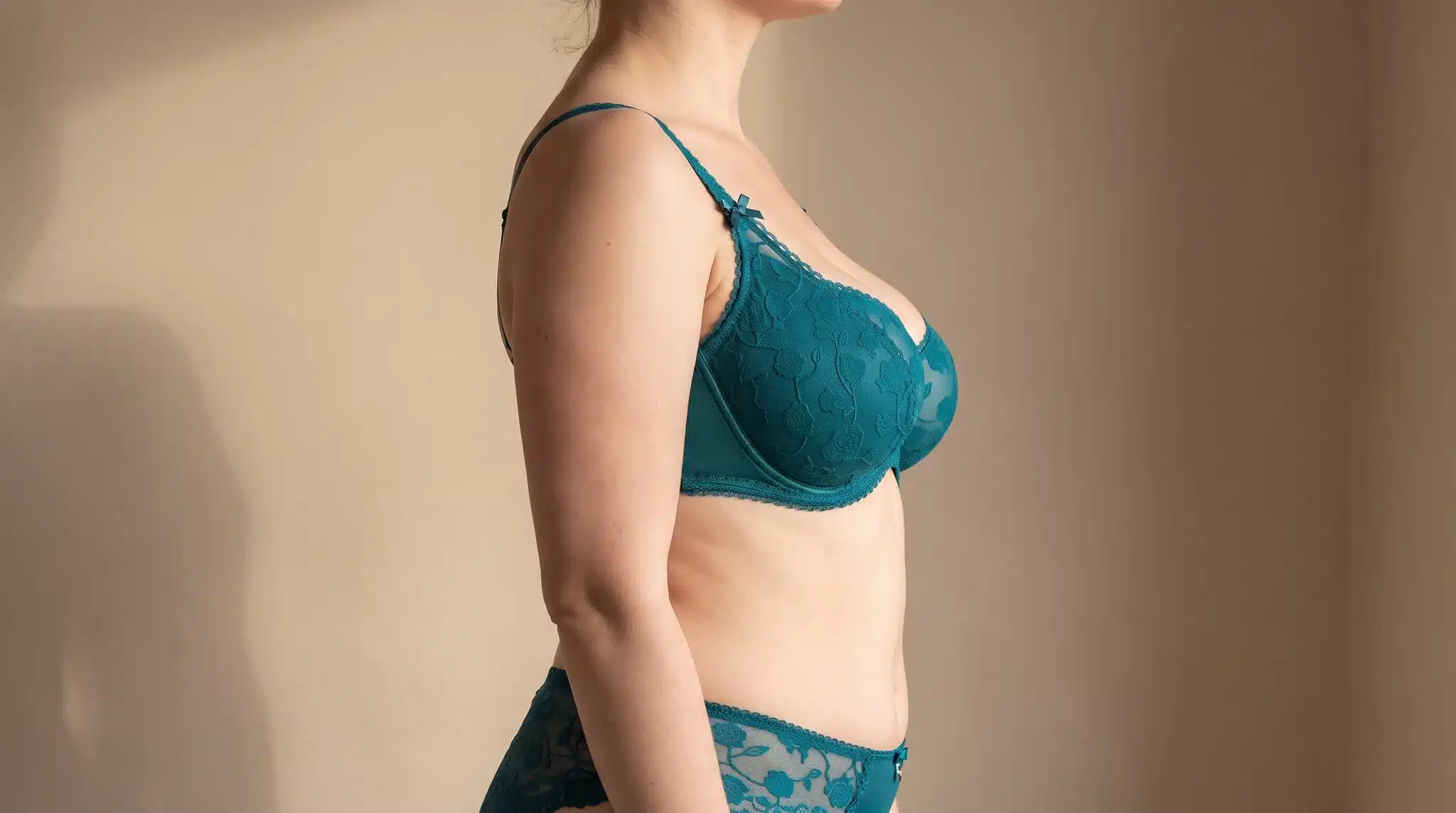
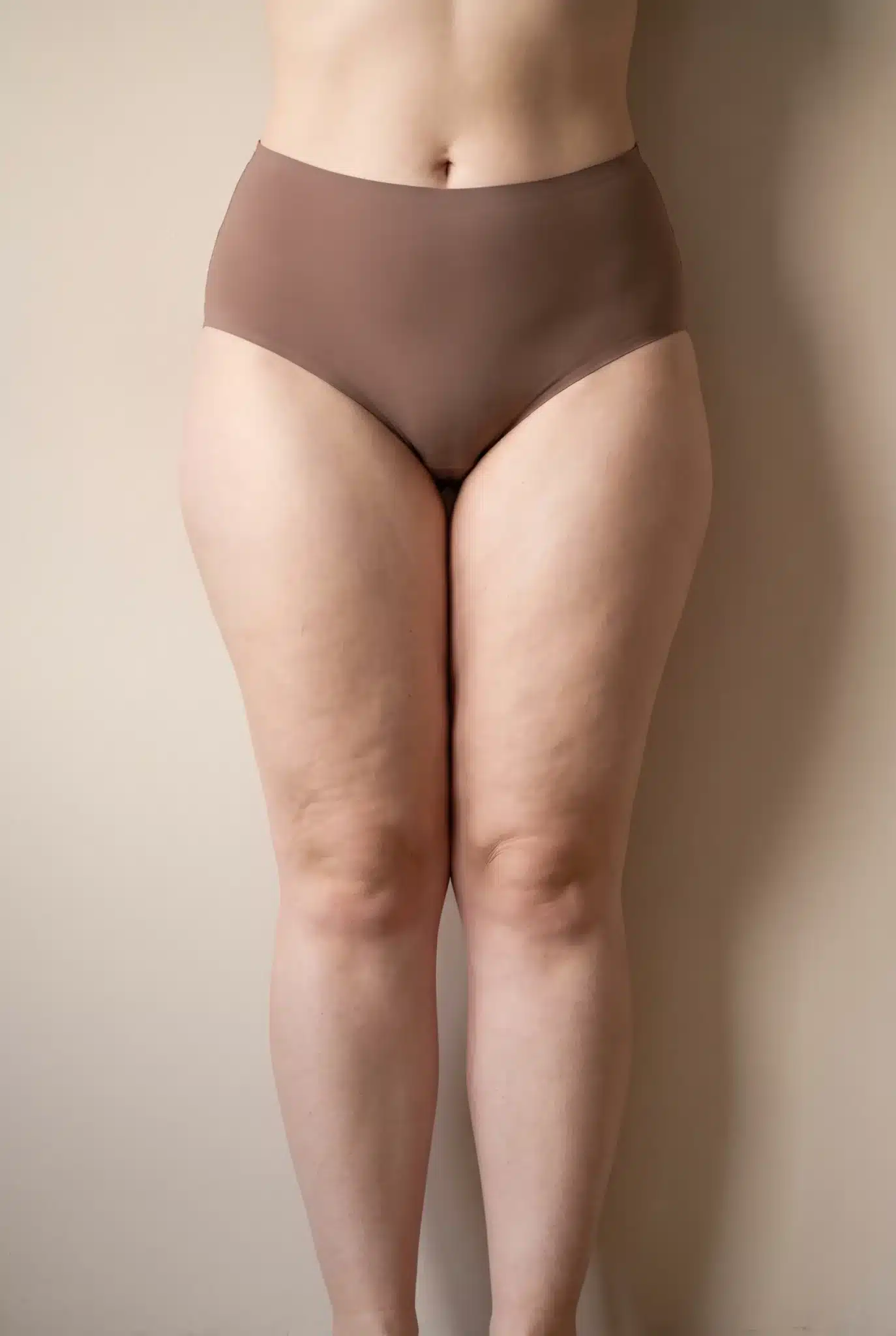
At a glance: Lipedema also occurs in slim women: legs, hips or arms show disproportionate fat deposits while the upper body stays petite. This fat is hormonally driven and resistant to diets or sport.
- Typical symptoms: pain and a feeling of heaviness in the legs and arms, swelling after exertion or long periods of standing, bruises without an identifiable cause, cold legs and feet
- Triggers: hormonal fluctuations during puberty, pregnancy and menopause, as well as a hereditary predisposition
- Why it is often overlooked: doctors and the people around you see only the slim appearance, and many of those affected go a long time without a diagnosis
- Difference from cellulite: cellulite has cosmetic features, while lipedema comes with pain and tissue swelling
- Treatment: manual lymphatic drainage, compression stockings, swimming or cycling; liposuction removes diseased fatty tissue
Lipedema in slim people is a fat distribution disorder that often goes unrecognised. It primarily affects women and presents as abnormal accumulations of fat, frequently in the legs and arms. The precise causes are not yet fully understood. Genetic factors and hormonal changes do, however, play an important role. Early recognition and a suitable treatment approach are key to quality of life.
What does lipedema mean in slim women?
Lipedema is a fat distribution disorder that affects almost exclusively women and is frequently overlooked, particularly in slim women. It goes beyond simple excess weight and involves the fatty tissue in specific areas of the body.
Definition and differentiation
The lipedema condition is characterised by an uneven distribution of fatty tissue, which most commonly occurs in the lower limbs and occasionally in the upper arms. It involves pathological fat cells. This condition is not merely a cosmetic concern but can also be associated with considerable physical complaints. Lipedema needs to be distinguished from other conditions such as obesity and cellulite, with the specific features of lipedema often leading to a misdiagnosis.
Why is lipedema overlooked in slim people?
Slim women with lipedema often experience having their symptoms not taken seriously. Doctors and those around them see only the slim appearance and assume that pain or swelling is normal. As a result, many of those affected remain without a diagnosis for a long time, and their symptoms worsen.
How common the condition is
The prevalence of lipedema is estimated at a few percent of the female population. Many affected women with the typical symptoms often search for a long time before receiving a correct diagnosis, as doctors frequently judge by outward appearance alone. Obtaining an accurate diagnosis is often complicated in slim women.
Causes and risk factors of lipedema in slim women
The causes of lipedema are complex and vary from person to person. Various genetic and hormonal influences contribute to the development of this fat distribution disorder. Other factors may also play a part.
Genetic factors
Genetics play a significant role in the development of lipedema. In many cases, those affected can identify a family link. This means that a hereditary predisposition often leads to the development of this condition.
Hormonal influences
Hormones are decisive in the development of lipedema. Changes in the hormonal balance can affect the distribution of fat in the body and cause fatty tissue to accumulate abnormally.
- Puberty: Puberty is often the point at which the first symptoms of lipedema appear. Hormonal shifts during this stage of life can alter the distribution of fat in the body.
- Pregnancy: During pregnancy, many women experience significant hormonal changes. These changes can increase the risk of developing lipedema or aggravate existing symptoms.
- Menopause: The menopause likewise brings with it a range of hormonal changes. These can contribute to women who are already prone to lipedema noticing a worsening of their symptoms.
Other triggers
In addition to genetic and hormonal factors, other triggers can also contribute to the development of lipedema. These include:
- Injuries or operations that can impair fat metabolism.
- Chronic conditions that affect blood circulation or the lymphatic system.
- An irregular lifestyle with a lack of physical activity.
Symptoms and recognition of lipedema in slim people
Typical signs of lipedema
- Pain in the legs and arms: Many of those affected report a constant feeling of heaviness in the legs and arms, often accompanied by pain.
- Swelling in the tissue: Noticeable swelling in the affected areas of the body is a characteristic feature. This swelling frequently occurs after physical exertion or prolonged standing.
- A tendency to bruise: Those affected often have an increased tendency to bruise, with bruises appearing for no apparent reason.
- Cold legs: Another common symptom is cold legs and feet.
Differences from other conditions
It is important to distinguish lipedema from other conditions such as cellulite or obesity. While cellulite tends to involve cosmetic features, lipedema has specific symptoms that are accompanied by pain and tissue swelling.
Tailored nutrition and exercise for slim patients with lipedema
Slim women living with lipedema benefit from individually tailored exercise sessions and a balanced diet. Endurance activities such as swimming or cycling are ideal, as they promote circulation and can ease swelling. Strength training, on the other hand, should be approached with care.
Treatment of lipedema in slim women
Conservative therapies
- Manual lymphatic drainage: A gentle massage technique that reduces swelling.
- Compression therapy: Wearing compression stockings to ease swelling and pain.
- Regular physical activity and exercise: Suitable activities such as swimming or cycling can help to reduce symptoms.
Lipedema surgery: liposuction
Liposuction is an established method for removing pathological fatty tissue. It is frequently performed in advanced stages of lipedema and can considerably improve quality of life for many of those affected.
Conclusion on lipedema and being slim
If you suspect that you have lipedema yet are slim, do not hesitate to consult a specialist. An early diagnosis and individualised treatment are key to easing the symptoms and improving quality of life.
FAQ: Common questions about lipedema in slim women
What does lipedema look like in slim women?
Slim women can also have lipedema. A typical sign is disproportionate accumulations of fat on the legs, hips or arms — despite an overall petite build. The affected areas often appear swollen or bulging, even though the upper body is slim. Pain, a feeling of tension and tenderness to pressure frequently occur.
Is it possible to be slim with lipedema?
Lipedema fat is hormonally driven and resistant to diets or exercise. Even with substantial weight loss, the affected areas often remain unchanged. It is therefore possible to be slim overall — and still have visible fat distribution disorders on the legs or arms. Liposuction can provide targeted relief.
Can you have lipedema and be thin?
Yes. Many women with lipedema are slim or even underweight in the upper body — and yet show pronounced increases in fat on the limbs. Being slim despite lipedema is not unusual, as the condition can occur independently of overall body weight.
What triggers lipedema?
Hormonal fluctuations — particularly during puberty, pregnancy or the menopause — are considered the main triggers of lipedema. Genetic predispositions also play a role. Exercise and diets usually have only a limited effect, as lipedema fat is especially resistant to conventional weight reduction.
Medically reviewed and written by:
Alejandro Martí – Specialist in Plastic and Aesthetic Surgery 🇩🇪 🇪🇸
Last reviewed: April 2026
References & Scientific Sources
- Kruppa P et al. „Lipedema – Pathogenesis, Diagnosis, and Treatment Options.” Deutsches Ärzteblatt International. 2020. PubMed PMID 32762835
- van la Parra RFD, Deconinck C. „Lipedema: What we don’t know.” Journal of Plastic, Reconstructive & Aesthetic Surgery. 2023. PubMed PMID 37390539
- Lundanes J et al. „Effect of a low-carbohydrate diet on pain and quality of life in female patients with lipedema: a randomized controlled trial.” Obesity. 2024. PubMed PMID 38627016
- Mortada H, Alhithlool AW. „Lipedema: Clinical Features, Diagnosis, and Management.” Archives of Plastic Surgery. 2025. PubMed PMID 40386000
- Buso G et al. „Lipedema: A Call to Action!.” Obesity (Silver Spring). 2019. PubMed PMID 31544340
- Forner-Cordero I et al. „Update in the management of lipedema.” International Angiology. 2021. PubMed PMID 33870676