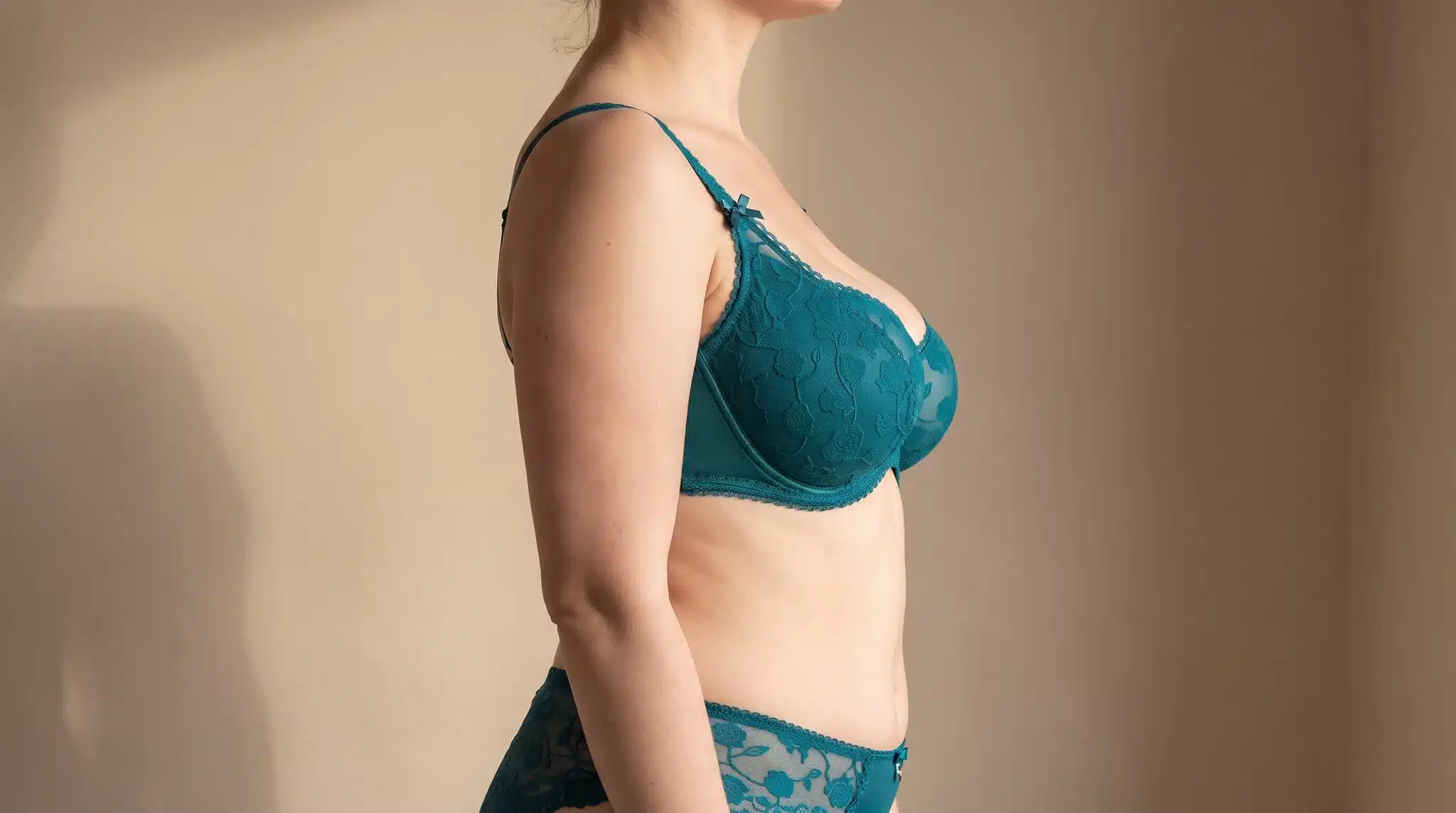
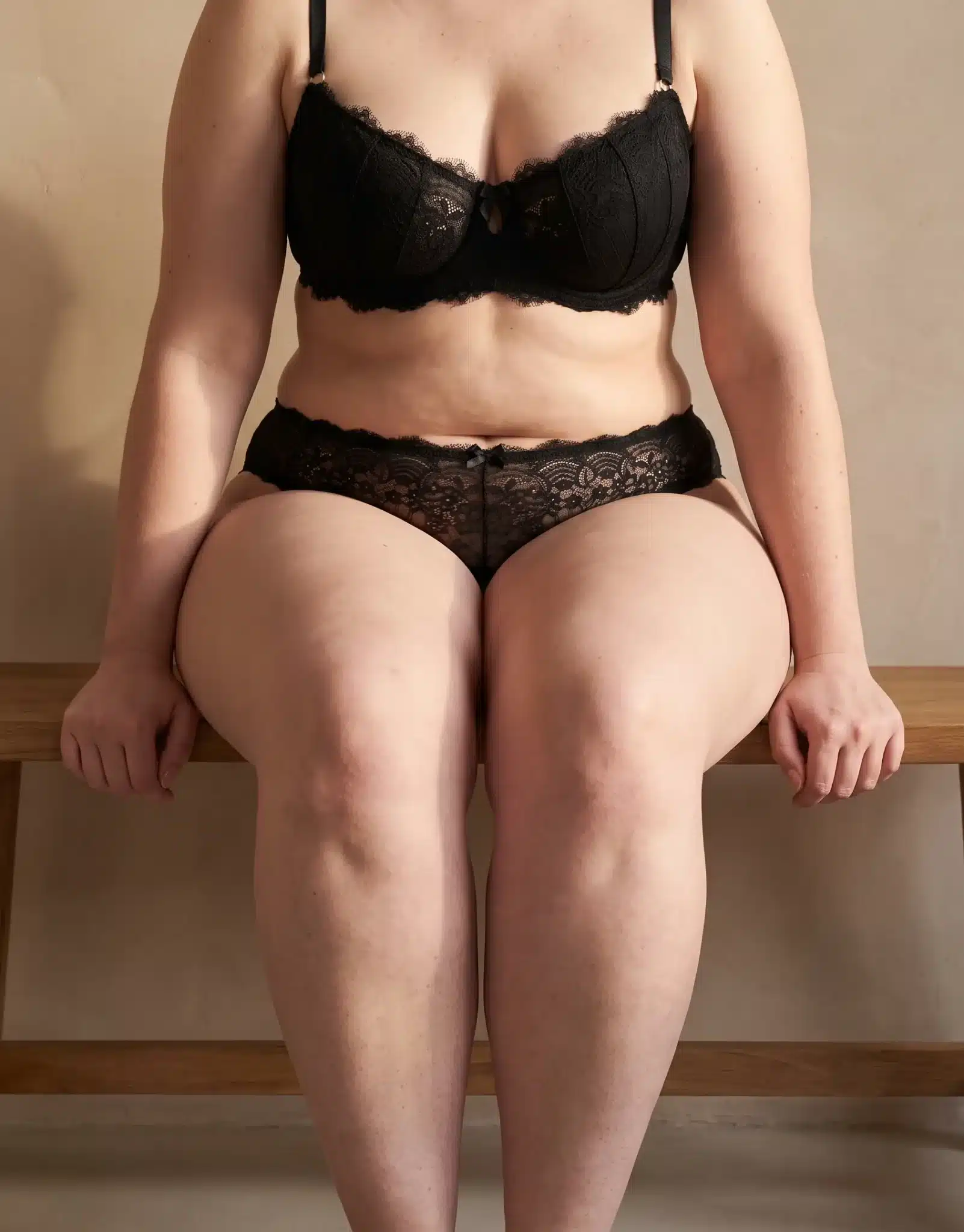
At a glance: Fatigue is a frequently overlooked symptom of lipedema: physical strain, chronic inflammation and psychological strain contribute to it.
- Physical strain: the constant pain makes everyday tasks exhausting and increases energy consumption
- Chronic inflammation: it can affect the whole body and can lead to fatigue, pain and a reduced energy level
- Sleep disturbances: pain and discomfort can have a negative effect on sleep, which also leads to exhaustion
- Measures to reduce fatigue: regular sleeping times, an anti-inflammatory diet with fish, nuts, fruit and vegetables, plus moderate exercise such as swimming or gentle walks
- Diagnosis: physical examination, medical history and possibly imaging procedures carried out by a specialist
Lipoedema is a condition that is frequently associated with chronic pain and an uneven distribution of fat. One often overlooked symptom is fatigue, which can considerably affect the everyday lives of those affected. Several factors contribute to this fatigue, including physical strain, chronic inflammation, and psychological burden. Understanding these aspects is important in order to identify suitable supportive measures and therapies.
Definition and Causes of Lipoedema
Lipoedema is a condition that occurs predominantly in women and is characterised by an uneven distribution of fat throughout the body. It is important to understand its definition and the underlying causes in order to manage the symptoms more effectively.
What Is Lipoedema?
Lipoedema is a chronic fat distribution disorder that occurs mainly in women. It presents as a symmetrical accumulation of fatty tissue, most often in the legs and sometimes in the arms. This accumulation of fat is not accompanied by a general increase in body weight and can be painful. Those affected frequently also experience a sensation of swelling and pressure in the affected areas. Lipoedema of the knee is not ordinary excess weight, but rather a distinct condition that is often associated with an increased risk of other health problems.
Early Signs and Diagnosis
The early signs of lipoedema can be difficult to recognise, as they are frequently confused with other factors. The most common early symptoms include:
- Disproportionate accumulations of fat on the thighs, calves, and hips
- Swelling that increases after physical activity or towards the end of the day
- Pain or tenderness to pressure in the affected areas
- A feeling of heaviness in the legs
To diagnose lipoedema, a thorough examination by a specialist is required. The diagnosis is usually made through a physical examination, a medical history, and, where appropriate, imaging procedures. An early diagnosis is essential in order to identify suitable treatment options.
Genetic and Hormonal Factors
The exact causes of lipoedema are not yet fully understood. However, it is generally assumed that genetic factors play an important role. In many cases, affected women have relatives who also suffer from lipoedema while remaining slim. Studies show that there is a familial predisposition to this condition, which points to a genetic component.
In addition, hormonal factors appear to have a significant influence on the onset and severity of lipoedema. Most affected women are either going through puberty, are pregnant, or are in the menopause — phases during which hormone levels fluctuate considerably. The hormone oestrogen in particular appears to influence the distribution of fat in the body and may contribute to the development of lipoedema. Hormonal imbalances can worsen the course of the condition and lead to more intense symptoms.
Symptoms of Lipoedema
The symptoms of lipoedema are varied and can considerably impair the quality of life of those affected. The most common complaints include pain, swelling, and a pronounced fatigue that can be strongly felt in everyday life.
Pain and Swelling
A central symptom of lipoedema is the severe pain that occurs in the affected areas. This pain can vary in intensity and is often accompanied by a feeling of pressure or discomfort. The swelling is likewise characteristic. It arises from an accumulation of fatty tissue and fluid in the legs and sometimes in the arms.
- The swelling can vary over the course of the day and tends to worsen towards the evening.
- In the affected areas, the skin often feels tight and uncomfortable.
- When touched, these areas can be painfully sensitive, which can considerably impair quality of life.
Frequent Fatigue Among Those Affected
Fatigue is another common symptom that is often overlooked. Many patients report a constant feeling of exhaustion that can severely limit their everyday activities. This fatigue can arise for several reasons:
- Physical strain: The persistent pain means that everyday tasks become demanding, which increases energy expenditure.
- Chronic inflammation: Processes in the body associated with lipoedema can lead to lasting fatigue.
- Sleep disturbances: Pain and discomfort can have a negative effect on sleep, which likewise leads to exhaustion.
Psychological Burden in Everyday Life
The psychological effects of lipoedema are also significant. Many of those affected experience not only physical symptoms but also struggle with emotional challenges. The constant confrontation with pain and a negative body image can lead to a variety of psychological burdens.
- Those affected frequently experience anxiety and depression.
- Social isolation resulting from pain and swelling can further worsen psychological well-being.
- The feeling of being misunderstood or not taken seriously adds to the emotional burden.
The Impact of Lipoedema on Daily Life
Lipoedema has far-reaching effects on the daily lives of those affected. These limitations can be both physical and psychological in nature and significantly influence quality of life and general well-being.
Limitations in Movement and Mobility
The physical complaints associated with lipoedema often lead to significant limitations in freedom of movement. Many patients experience pain and swelling that make everyday activities a challenge. Walking, standing, or even sitting can become a strain.
- Pain during physical activity
- Swelling that impairs mobility
- Difficulty climbing stairs or walking over longer distances
- A feeling of heaviness in the legs
Psychological Well-Being of Patients
The physical symptoms of lipoedema often also result in a considerable psychological burden. Many of those affected struggle with a negative body image and feel socially isolated as a result of their condition. The constant confrontation with pain and recurring symptoms can lead to emotional difficulties.
- Increased risk of depression and anxiety
- A feeling of helplessness and of not being understood by others
- Negative effects on self-esteem
Social and Emotional Challenges
Lipoedema affects not only individual well-being but also has an impact on social relationships and everyday interactions. Embarrassment about one’s physical appearance can lead those affected to avoid occasions and social activities.
- Limited participation in social events
- Fear of stigmatisation because of one’s body image
- Reduced enjoyment of life and withdrawal from social circles
Treatment Options for Lipoedema
The treatment of lipoedema requires an individual approach. There are both conservative and surgical options that can be used depending on the severity and symptoms of the condition.
Conservative Measures
Conservative therapies aim to relieve the symptoms and improve the quality of life of those affected. These include various treatment approaches that reduce pain and promote mobility.
Manual Lymphatic Drainage
Manual lymphatic drainage is a special massage technique that aims to promote the flow of lymph in the body. Through gentle, rhythmic movements, fluid in the affected areas is mobilised, which reduces swelling and improves general well-being. This technique can be particularly helpful in relieving the complaints of lipoedema.
Compression Therapy
Compression therapy involves wearing special compression stockings or bandages that support blood and lymph flow. This therapy can help to reduce swelling and lessen complaints in everyday life. Compression garments are available in various strengths and should be tailored to individual needs.
Surgical Options
When conservative measures are not sufficient to achieve adequate relief of the complaints, surgical procedures may be considered. These options are generally a last resort, used when other approaches do not bring significant improvement.
Liposuction for Lipoedema
Liposuction is a surgical procedure in which excess fatty tissue is removed. This method has proven effective in reducing the symptoms of lipoedema. Many patients report a marked improvement in their quality of life and a reduction in complaints after the operation. It is important that the liposuction is performed by experienced specialists in order to avoid complications.
Aesthetic and Plastic Surgery
In some cases, aesthetic or plastic surgery may also be considered in order to improve body contour and strengthen the self-esteem of those affected. These treatments should always be discussed on an individual basis in order to set realistic expectations and to address potential risks.
Nutrition and Lifestyle with Lipoedema
A healthy lifestyle and a balanced diet play a central role in managing the symptoms of lipoedema. Through targeted measures, both the well-being and the quality of life of those affected can be considerably improved.
A Healthy, Balanced Diet
Nutrition has a major influence on the course of lipoedema. A healthy, balanced diet can help to reduce inflammation and stabilise body weight. The following aspects should be taken into account:
- Increasing fruit and vegetable intake: Fresh fruit and vegetables are rich in vitamins, minerals, and antioxidants. They support overall health and are helpful in combating inflammation.
- Including healthy fats: Foods such as avocado, olive oil, nuts, and fish are excellent sources of healthy fats. These fats support cell function and can have an anti-inflammatory effect.
- Choosing wholegrain products: Wholemeal bread, oats, and quinoa are rich in fibre, which supports digestion and provides a long-lasting feeling of fullness.
- Avoiding sugar and processed foods: Reducing sugar and heavily processed foods can lessen inflammation and stabilise weight.
- Ensuring adequate hydration: Sufficient fluid intake is important in order to supply the body with the necessary nutrients and to support the lymphatic system.
Regular Physical Activity
Regular physical activity is key to improving the symptoms of lipoedema. Exercise helps to promote blood circulation, strengthen the muscles, and enhance general well-being. The following points are particularly relevant:
- Mild to moderate exercise: Forms of activity such as swimming, cycling, and gentle walks are recommended, as they are easy on the joints.
- Physiotherapy: Targeted physiotherapeutic treatment can promote mobility and flexibility. This can be achieved through specific exercises or lymphatic drainage.
- Integrating movement into daily life: Building small bouts of movement into everyday routines, such as climbing stairs or taking short walks, can have a positive effect on energy levels.
Practical Tips for Improving Quality of Life
Various practical approaches can help to support a healthy lifestyle. These tips aim to relieve symptoms and improve quality of life:
Stress Management
Stress management techniques such as yoga, meditation, and breathing exercises can help to enhance emotional well-being.
A Regular Sleep Routine
A regular sleep rhythm and a comfortable sleep environment are essential for recovery and well-being.
Maintaining Social Contacts
Exchanging experiences with friends and with others affected can provide emotional support and reduce feelings of isolation.
Education and Information
Activities that promote awareness of lipoedema can help to deepen understanding of the condition and support people in seeking out therapies.
Coping with Fatigue in Lipoedema
Fatigue is a common and distressing symptom in people with lipoedema, one that is intensified by various factors. In order to improve how this exhaustion is managed, it is important to understand the causes and to take appropriate measures.
Causes of Exhaustion
A wide range of factors contribute to fatigue in those affected. The best known are chronic inflammation and the daily burdens that many people with lipoedema have to face.
Chronic Inflammation in the Body
Chronic inflammation is a common feature of lipoedema. These inflammatory reactions can affect the entire body and considerably influence general well-being. The symptoms can include fatigue, pain, and a general sense of exhaustion, which leads to reduced energy levels.
Burdens in Everyday Life
The physical limitations caused by lipoedema often lead to increased stress and emotional strain. The constant confrontation with pain and swelling forces many people to avoid everyday activities, which further increases the psychological and physical burden. Over time, this can lead to a feeling of exhaustion.
Measures to Reduce Fatigue
To reduce fatigue in lipoedema, various strategies can be applied. These focus on improving quality of life and relieving symptoms.
Improving Sleep Hygiene
Consistent sleep hygiene is essential. Regular sleep times and a comfortable sleep environment can considerably improve sleep quality. Relaxation techniques such as meditation or reading before going to sleep additionally promote restful sleep.
An Anti-Inflammatory Diet
Nutrition plays a fundamental role in reducing inflammation in the body. An anti-inflammatory diet rich in antioxidants and healthy fats can help to relieve the symptoms of lipoedema and the associated fatigue. Foods such as fish, nuts, fruit, and vegetables should be given preference.
Regular, Adapted Exercise
Moderate exercise helps to improve blood circulation and support the lymphatic system. Activities such as swimming or gentle walks can boost energy levels and promote general well-being. Targeted physiotherapeutic measures can also be helpful.
Stress Management Techniques
Stress plays a major role in the experience of fatigue. Learning stress management techniques, such as yoga or mindfulness exercises, can help to reduce emotional strain and boost energy levels.
Psychological Support for Those Affected
Psychological support is an essential part of coping with the challenges that living with lipoedema entails. It helps to reduce the emotional burden and to promote general well-being.
Connecting with Others Affected
Connecting with others who have had similar experiences offers an important platform for understanding and solidarity. Those affected can find support in self-help groups or online forums. Here are some benefits of this exchange:
- A sense of community: The feeling of not being alone can provide comfort.
- Personal accounts: Sharing personal experiences helps to develop new coping strategies.
- Emotional support: A shared sense of the challenges strengthens emotional resilience.
Psychological Counselling and Therapy
Professional psychological support can help those affected to cope with the emotional and psychological aspects of lipoedema. An experienced psychologist or psychotherapist can offer a range of approaches:
- Cognitive behavioural therapy: This method helps to identify and change negative thought patterns.
- Relaxation techniques: Practices such as yoga or mindfulness training can reduce stress and enhance well-being.
- Trauma therapy: In cases of psychological strain, a specialised form of therapy can help to process past experiences.
Social Support and Networks
A strong social network is essential for psychological health. Support from family and friends creates a positive environment. Ways to strengthen social contacts include:
- Family conversations: Open conversations about the condition promote understanding within the family.
- Groups of friends: Regular meetings with friends for distraction and enjoyment.
- Attending events: Going to events or workshops offers the opportunity to make new acquaintances.
Tips for Improving General Well-Being
There are various ways to promote general well-being. These include both physical and psychological strategies for enhancing quality of life and making daily living easier.
Stress Management Techniques
Stress management is an important factor for physical and emotional well-being. Here are some effective techniques that can help:
- Mind-body practices such as yoga and meditation promote relaxation and reduce stress hormones.
- Breathing exercises can help to relieve acute stress and convey a sense of calm.
- Regular breaks during the working day make it possible to improve concentration and prevent exhaustion.
- Integrating mindfulness into everyday life can strengthen awareness of the present moment and reduce stress.
Strengthening Physical and Mental Well-Being
A holistic approach that encompasses both body and mind is essential. Here are some suggestions for promoting well-being:
- A healthy diet, rich in antioxidants and nutrients, supports not only physical health but also mental clarity.
- Regular exercise, whether in the form of walks, swimming, or gentle fitness activities, improves physical fitness and general well-being.
- Additional activities such as art therapy or music can help to find creative outlets and promote mental relaxation.
- A harmonious sleep environment creates the basis for restful nights and contributes to a better start to the day.
Support from Healthcare Professionals
Involving professionals in the treatment process is of great importance. Access to professional help can make a considerable difference.
- Physicians, therapists, and nutritionists can provide individual recommendations tailored to specific needs.
- Regular medical appointments and follow-up care can help to monitor one’s state of health and make adjustments where necessary.
- Group sessions or workshops offer not only specialist information but also emotional support.
- Working with psychologists can reduce psychological stress and strengthen coping strategies.
Frequently Asked Questions About Lipoedema
There are many questions surrounding lipoedema, as it is an often misunderstood condition. Below, some frequently asked questions are addressed together with helpful answers.
Which Measures Help Best?
Managing the symptoms of lipoedema requires a holistic approach that combines several measures. These include:
- Conservative forms of therapy: Manual lymphatic drainage, compression therapy, and regular physical activity can help to relieve the symptoms.
- Dietary adjustment: A balanced diet based on fresh, unprocessed foods with anti-inflammatory properties is particularly beneficial.
- Psychological support: Counselling and therapy can help to cope with the psychological burdens associated with lipoedema.
How Do I Recognise the Early Signs?
The early signs of lipoedema can often be overlooked. It is important to watch for the following symptoms:
- Unusual fat distribution: A symmetrical accumulation of fat on the legs and/or arms without a general increase in weight.
- Pain and sensations of pressure: Sensations that can be accompanied by pressure in the affected areas.
- Swelling: Particularly towards the end of the day, often associated with a feeling of heaviness in the legs.
What Can Family Members Do to Support Those Affected?
Support from family members is of crucial importance for people with lipoedema. Here are some ways in which family members can help:
- Emotional support: Listening and showing understanding for the challenges the affected person faces promote emotional well-being.
- Shared activities: Physical activities such as walks or swimming can be undertaken together to improve mobility and quality of life.
- Staying informed: Learning about lipoedema and supporting the affected person in the search for treatment options can make a positive difference.
Managing the symptoms of lipoedema requires a holistic approach that combines several measures. These include:
- Conservative forms of therapy: Manual lymphatic drainage, compression therapy, and regular physical activity can help to relieve the symptoms.
- Dietary adjustment: A balanced diet based on fresh, unprocessed foods with anti-inflammatory properties is particularly beneficial.
- Psychological support: Counselling and therapy can help to cope with the psychological burdens associated with lipoedema.
The early signs of lipoedema can often be overlooked. It is important to watch for the following symptoms:
- Unusual fat distribution: A symmetrical accumulation of fat on the legs and/or arms without a general increase in weight.
- Pain and sensations of pressure: Sensations that can be accompanied by pressure in the affected areas.
- Swelling: Particularly towards the end of the day, often associated with a feeling of heaviness in the legs.
Support from family members is of crucial importance for people with lipoedema. Here are some ways in which family members can help:
- Emotional support: Listening and showing understanding for the challenges the affected person faces promote emotional well-being.
- Shared activities: Physical activities such as walks or swimming can be undertaken together to improve mobility and quality of life.
- Staying informed: Learning about lipoedema and supporting the affected person in the search for treatment options can make a positive difference.
Medically reviewed and written by:
Alejandro Martí – Specialist in Plastic and Aesthetic Surgery 🇩🇪 🇪🇸
Last reviewed: April 2026
References & Scientific Sources
- Kruppa P et al. „Lipedema – Pathogenesis, Diagnosis, and Treatment Options.” Deutsches Ärzteblatt International. 2020. PubMed PMID 32762835
- Hurwitz DJ, Davila AA. „Contemporary Management of Gynecomastia.” Clinics in Plastic Surgery. 2022. PubMed PMID 35367036
- Toomey AE, Cape JD. „Mastopexy (Breast Lift).” StatPearls. 2026. PubMed PMID 39808049
- Hammond DC, Chandler AR. „Abdominoplasty in the Overweight and Obese Population: Outcomes and Patient Satisfaction.” Plastic and Reconstructive Surgery. 2019. PubMed PMID 31568289
- Lundanes J et al. „Effect of a low-carbohydrate diet on pain and quality of life in female patients with lipedema: a randomized controlled trial.” Obesity. 2024. PubMed PMID 38627016