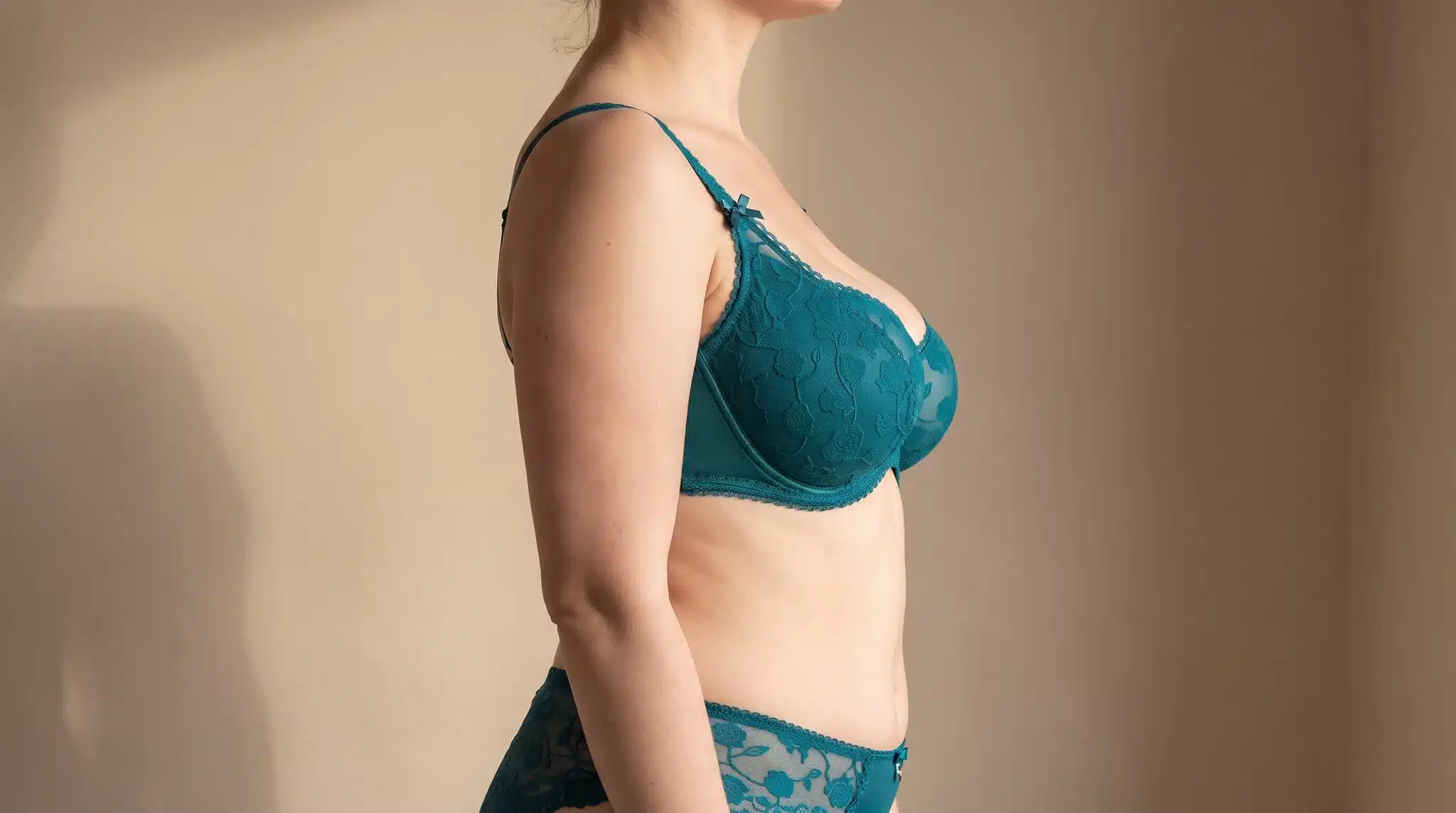
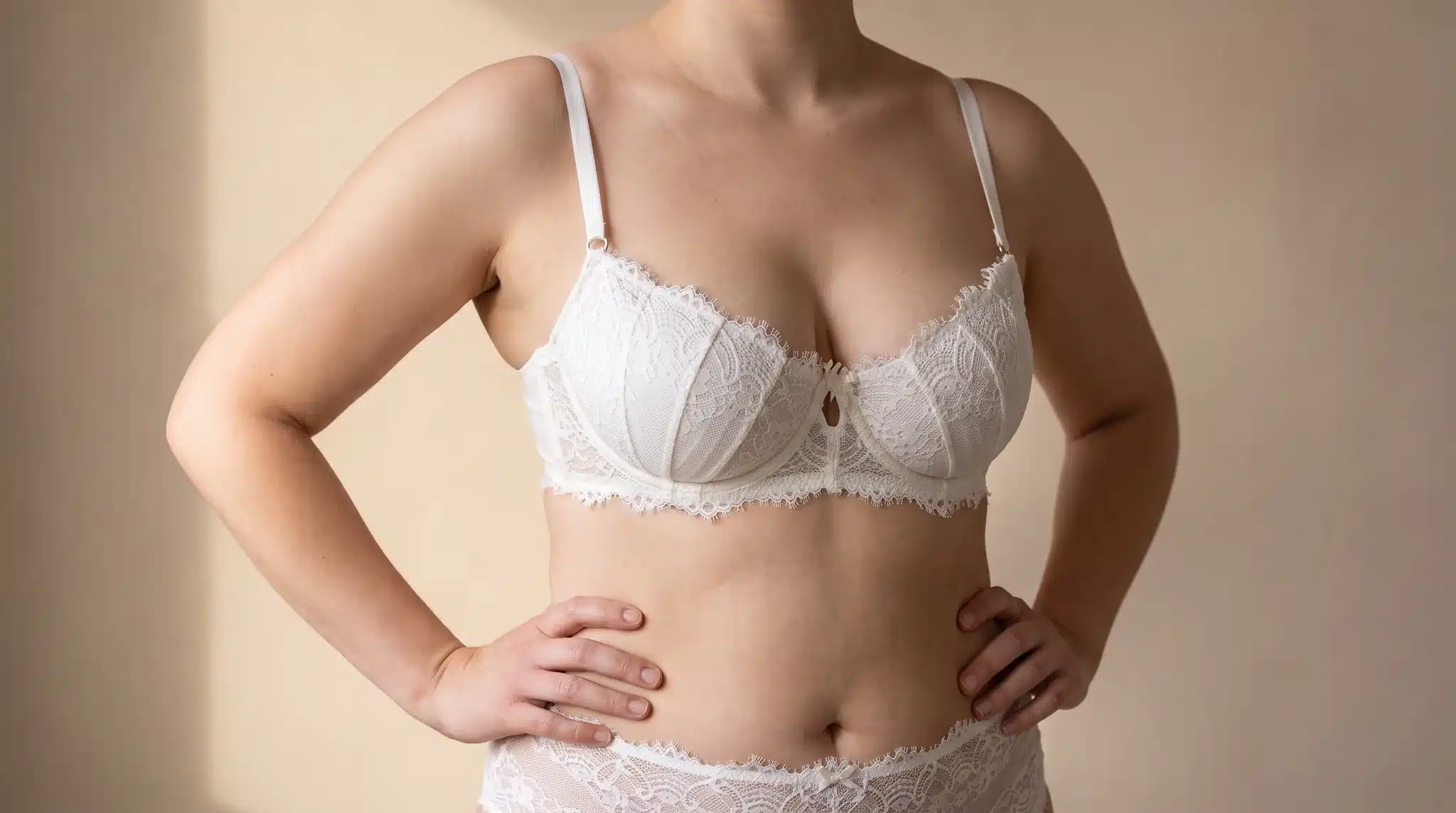
A mastopexy, also known as a breast lift, is a surgical procedure to raise and reshape sagging breasts. It is frequently considered by women who are affected by physical changes to the body. Physical changes resulting from ageing, pregnancy or weight loss can heighten the desire for a mastopexy. The procedure may also have positive psychological effects on self-confidence and body image.
Overview of mastopexy
Mastopexy is a widely discussed topic that concerns many women who experience changes in the shape and firmness of their breasts. This section provides a comprehensive overview of the key aspects of the procedure.
Definition of mastopexy
A mastopexy is a surgical procedure aimed at lifting the breasts and improving their shape. The operation is frequently performed to address the effects of ageing, pregnancy or weight loss. The goal is to create a more youthful and firmer-looking décolleté.
Difference between mastopexy and other breast procedures
There are various breast procedures, each pursuing different objectives. The main differences are outlined below:
- Breast augmentation: In contrast to a mastopexy, which focuses on lifting the breasts, breast augmentation increases volume using implants or autologous fat.
- Breast reduction: Whereas the aim of a mastopexy is to improve the position and shape of the breasts, a breast reduction is primarily concerned with removing excess tissue and achieving a more comfortable size.
- Reconstructive surgery: These procedures are primarily indicated after mastectomy and aim to restore the shape of the breast following removal, which differs from a mastopexy in its objective.
Reasons for a mastopexy
The decision to undergo a mastopexy can be made for various reasons. Physical changes and psychological aspects are often decisive in a woman’s choice to consider this procedure.
Physical changes and sagging
Over time, breasts can lose their shape and firmness due to a range of factors. These include:
- Ageing: with the natural ageing process, the tissue loses elasticity.
- Pregnancy and breastfeeding: these stages of life can lead to considerable changes in breast volume.
- Weight loss: sudden or significant weight loss can stretch and slacken the skin and breast tissue.
Psychological aspects and self-perception
The decision to consider a breast lift is frequently shaped by psychological factors as well. The effects on self-perception can be considerable:
- Greater self-esteem: many women report a positive effect on their self-confidence following the operation.
- Body image: a change in outward appearance can have a lasting influence on how a person perceives their own body.
- Emotional satisfaction: regaining a sense of control over one’s appearance can contribute to a better quality of life.
Mastopexy techniques
Various techniques are available to achieve the desired results in a breast lift. Each technique has its specific advantages and is selected according to the individual needs of the patient.
Internal bra technique
The internal bra technique is a modern method aimed at achieving longer-lasting breast support. With this technique, excess skin in the lower portion of the breast is used together with capsular fibrosis to form a kind of supportive “belt”.
Auto-augmentation technique
Auto-augmentation is an innovative procedure that uses the patient’s existing breast tissue to provide both volume and a shaping effect. With this technique, the mammary gland is divided into two halves, and one portion is repositioned between the gland and the pectoral muscle.
Benelli technique (round-block)
The Benelli technique, also known as the round-block technique, involves an incision around the areola. The fatty and glandular tissue beneath the nipple is reduced while the nipple is simultaneously raised.
Lejour technique
The Lejour technique combines several incisions to remove excess skin in both the upper and lower portions of the breast. The periareolar incision is combined with a vertical incision extending to the inframammary fold.
Inverted-T technique
Also known as the T-incision, this technique involves both vertical and horizontal incisions in the inframammary fold. This incision pattern allows for effective tightening of the breast and removal of excess skin.
The mastopexy procedure step by step
A mastopexy procedure comprises several important phases that must be carefully planned and carried out. Thorough preparation, the procedure itself and postoperative aftercare are all crucial to the success of the operation.
Preparing for the procedure
Detailed preparation is required before the procedure. This includes the following steps:
- Comprehensive consultations with the surgeon to clarify expectations and goals.
- Medical examinations to confirm the patient’s general state of health.
- Discussion of the anaesthetic techniques to be used and any potential risks.
- Recommendations on adjusting medication and avoiding certain substances before the procedure.
Carrying out the operation
A mastopexy is usually performed under general anaesthesia. The exact course can vary depending on the chosen technique, but it generally comprises the following steps:
- The planned incisions are marked on the breast before anaesthesia is administered.
- During the procedure itself, the defined incisions are made to remove excess tissue and adjust the position of the nipple.
- After the breast has been reshaped, the skin is carefully closed and, where appropriate, drains are placed to allow accumulating fluids to be removed.
Postoperative aftercare
Aftercare is an essential part of the healing process. It includes the following aspects:
- Wearing a special support bra to stabilise the breasts during healing.
- Regular follow-up appointments with the surgeon to monitor the progress of healing and to detect any complications at an early stage.
- Recommendations to avoid physical exertion and to protect the wound during the first few weeks.
Cost and financing of a mastopexy
The cost of a mastopexy can vary considerably and depends on a number of factors. Thorough planning and information are essential in order to understand the financial aspects of this procedure.
Factors that influence the cost
The total cost of a mastopexy is made up of several components:
- The experience and reputation of the plastic surgeon.
- The location of the clinic or practice.
- The complexity of the procedure and the technique used.
- The cost of anaesthesia and the operating theatre.
- Aftercare and any additional treatments that may be required.
Financing options
A mastopexy can be financed in a number of ways:
- Personal savings: many patients choose to pay for the procedure out of their own funds.
- Instalment payments: some clinics offer patients the option of settling the cost in instalments.
- Financing plans: there are special loan offers tailored to medical procedures.
- Health insurance: in certain cases, part of the cost may be covered by insurance, particularly where there are medical grounds.
Risks and complications
Every surgical procedure carries risks and potential complications. A mastopexy in particular is associated with specific challenges that include both general and procedure-specific aspects.
General surgical risks
As with any major operation, general risks can also occur with a mastopexy. These include:
- Reactions to anaesthesia
- Postoperative bleeding or haematomas
- Infections at the surgical site
- Wound healing disorders, which can lead to longer recovery times
Complications specific to mastopexy
In addition to the general risks, there are specific complications that can occur with a mastopexy:
- Scarring: scars can vary in their extent, depending on the chosen technique and the patient’s individual capacity to heal.
- Changes in nipple sensation: there is a possibility that sensitivity may be altered temporarily or permanently.
- Asymmetry: in some cases, asymmetry of the breasts can occur after the procedure.
- Recurrence of breast sagging: over time, the breasts may sag again despite the procedure, particularly with subsequent pregnancies or weight fluctuations.
Minimising the risks
The following measures are recommended to reduce risks and complications:
- Choosing a qualified and experienced plastic surgeon.
- A thorough preoperative consultation to clarify expectations and concerns.
- Regular follow-up examinations after the procedure to monitor the healing process.
- Adhering to all postoperative instructions, particularly with regard to sport and physical activity.
Results and expectations
The results of a mastopexy can contribute considerably to improving breast shape and self-confidence. It is important to keep expectations realistic and to understand the possible outcomes.
Documenting the results of a mastopexy
Photographic documentation of the surgical outcome can be a helpful tool for illustrating the changes following the operation. Within the consultation, it can help convey what improvements in the shape and firmness of the breasts may be achievable.
Realistic expectations and long-term results
Expectations regarding the results of a mastopexy should be formulated realistically. While the operation often leads to a significant improvement in breast shape, individual results can vary. Factors such as skin elasticity, the technique used and a person’s individual anatomy all play a role.
Important considerations before a mastopexy
There are several essential aspects to consider before a breast lift. These considerations relate to both the medical and the personal level and can make a substantial contribution to ensuring that the procedure meets expectations.
Consultation with a specialist in plastic surgery
A comprehensive consultation with a qualified specialist is essential. During this appointment, the patient’s individual needs and wishes are discussed. The surgeon can clarify the following points:
- State of health and risk factors
- The techniques most suitable for the mastopexy
- Expectations regarding the aesthetic outcome
Timing and life planning
The decision about when to undergo the procedure is also important. Factors that should be taken into account include:
- Completion of family planning: a mastopexy that has been carried out can be affected by future pregnancies.
- Professional commitments: an appropriate recovery period should be planned to allow for optimal healing.
- Personal circumstances: emotional stability and support from family and friends are important for the healing process.
Decisions about breast augmentation or reduction
Before a mastopexy, the question often arises as to whether a simultaneous breast augmentation or reduction would be appropriate. In this regard, the following should be considered:
- What result is being sought? A combination can help to achieve the desired changes in volume and shape.
- Are the financial means available for an additional operation? Costs can vary considerably and should be taken into account in advance.
- Understanding the risks: every additional operation potentially increases the risks.
If you feel that a breast lift is the right step for you, or if you would like further information about the options and techniques for a mastopexy, please do not hesitate to get in touch and arrange a consultation. A thorough consultation is the first step towards working out together which solution best suits your wishes and your body.
Medically reviewed and written by:
Alejandro Martí – Specialist in Plastic and Aesthetic Surgery 🇩🇪 🇪🇸
Last reviewed: April 2026
Literature & Scientific Sources
- di Summa PG et al. “Systematic review of outcomes and complications in nonimplant-based mastopexy surgery.” Journal of Plastic, Reconstructive & Aesthetic Surgery: JPRAS. 2019. PubMed PMID 30527707
- Bark AA Jr et al. “Multiplane L-Scar Augmentation Mastopexy: An Individualized Approach to Muscle, Glandular Tissue, and Skin.” Plastic and Reconstructive Surgery. 2024. PubMed PMID 37335763
- Austin RE et al. “Periareolar Augmentation-Mastopexy.” Aesthetic Surgery Journal. 2019. PubMed PMID 31056674
- Bletsis PP et al. “The Omega Mastopexy Technique for the Correction of Breast Ptosis after Breast Implant Explantation.” Plastic and Reconstructive Surgery. Global Open. 2024. PubMed PMID 39036593
- Innocenti A et al. “Structural Mastopexy: Volume Displacement in Breast Reshaping.” Aesthetic Plastic Surgery. 2025. PubMed PMID 39384607